





For many of us, the impact of conflict in the Middle East feels distant — something we see in headlines, discuss briefly, and then move on with our lives. But in districts like Alipurduar and across North Bengal, that “distant” war is now turning off the gas in restaurant kitchens and threatening the livelihoods of hundreds of families.
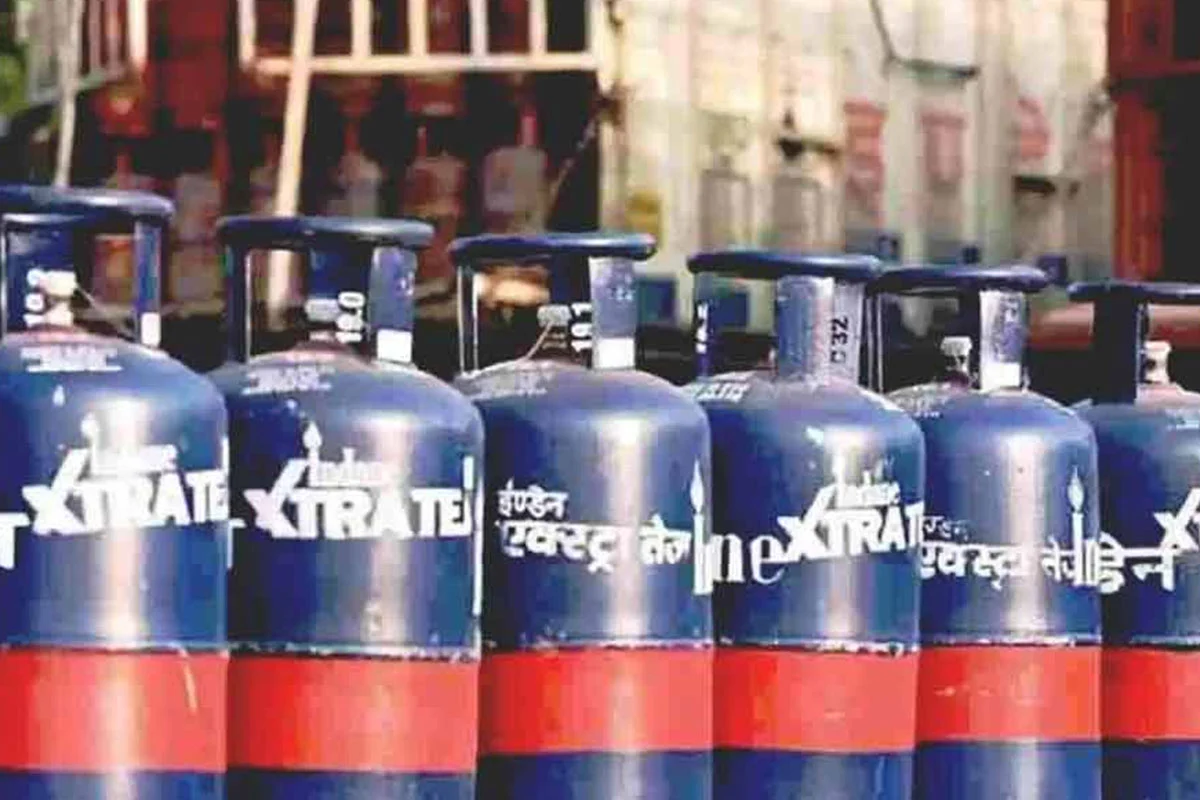
Over the past weeks, commercial LPG cylinders that should cost around ₹1,800 are being sold for ₹2,500–₹2,600 in Alipurduar and other parts of North Bengal. And even at this inflated price, many restaurant and hotel owners are simply not getting the gas they need. The result: shorter menus, fewer cooked items, angry customers, and business owners wondering how long they can survive.
This is not just a supply glitch. It is a full-blown public problem.
When the Stove Goes Off, the Economy Feels It
On Alipurduar’s busy Thana Road, a popular roadside restaurant that usually stays packed throughout the day now tells a different story in its kitchen. The owner has been forced to cut down the number of dishes he prepares because commercial gas is either unavailable or unaffordable. He fears that if this continues, he may have no option but to shut shop.
Another well-known hotel in the town has also reduced the number of items on its menu. The owner openly admits that business is suffering, but feels completely helpless. What do you do when the most basic input for your trade — fuel — is out of your reach?
We often speak of unemployment and economic slowdown in abstract terms. But here, the chain is very clear: no gas → fewer dishes → fewer customers → lower income → staff cuts → families in distress. This is how a local fuel crisis quietly becomes a social crisis.
A War Far Away, a Fire Put Out at Home
The immediate trigger being cited is the ongoing conflict in the Middle East. The ripple effect of that war has reached Bengali kitchens — especially commercial ones.
Delivery of commercial LPG has been hit. According to local reports, the priority is now to supply commercial cylinders only to colleges and hospitals. Everyone else — including restaurants, hotels, and small eateries — is left to scramble for whatever they can get in the black market, at a steep premium.
In theory, prioritising essential services like hospitals and educational institutions is understandable. In practice, it leaves an entire informal sector gasping for breath.
Restaurants and roadside eateries are not luxuries in a town like Alipurduar. They are daily necessities for office-goers, travellers, students, and workers. They are also a major source of employment for cooks, helpers, waiters, and delivery staff. When these businesses suffer, it hits the backbone of the local economy.
Voices from the Ground: “How Will Our Families Survive?”
One prominent hotel owner in Alipurduar, Debabrata Chattopadhyay, describes the situation bluntly:
“We need two commercial gas cylinders every day. We’re not getting them. We have already reduced eight items from our menu. We cannot run business like this. The price of gas has gone up, but we still cannot increase the price of food. If we raise prices, customers complain. How will our families survive? What will happen to our staff?”
His frustration captures the trap that many small business owners are stuck in. On one side, there is a sharp rise in input costs. On the other, there is intense price sensitivity from customers already struggling with their own rising expenses.
In another hotel, owner Abhijit Das says the entire situation has “gone out of control.” With irregular gas supply, he too has had to cut down on dishes. As a result, his roadside dhaba is suffering losses. Continuing like this, he fears, may not be possible for long.
These are not isolated complaints. They are warning signals about a system under severe stress.
What the Gas Agencies Are Saying
From the perspective of gas agencies, their hands are tied. Sujit Saha, the head of a local gas service centre in Alipurduar, says there are clear instructions: commercial cylinders should first go to colleges and hospitals.
Because of this priority order, he claims, it is not possible to supply commercial cylinders to all hotels and restaurants, leading to a shortage in the open market. “We know there is a problem,” he says in essence, “but there is nothing we can do.”
This is the classic administrative response: follow the circular, push the blame further up the chain, and leave local residents to work out their own ‘solutions’ — which in most cases means black-market purchases at exploitative rates.
When Policy Silence Becomes Complicity
What makes this situation worse is the absence of a clear, public plan to address it. Everyone knows about the crisis — the restaurant owners, the agencies, the customers, the local administration. Yet, official communication remains vague or minimal.
There are no visible emergency measures to:
- Crack down strongly on hoarding and black marketing of commercial cylinders
- Offer temporary subsidies or support to small food businesses
- Explore alternative cooking arrangements in public institutions
- Create a transparent, time-bound mechanism for fair distribution
In an election-sensitive atmosphere, governments are quick to respond to headline issues. But when it comes to the slow suffocation of small businesses through shortages like this, the silence is telling. Policy inaction at a time of obvious distress is not neutrality — it is a form of complicity.
More Than Just “Price Rise”
It is easy to dismiss this as yet another story of “price rise.” But the reality is deeper.
Commercial gas is not a luxury for these establishments; it is their oxygen. When the price of a cylinder jumps from around ₹1,800 to ₹2,500–₹2,600, and even then supply is uncertain, it fundamentally destabilises their business model.
Most small hotels and dhabas don’t operate on fat margins. They cannot simply pass on the extra cost to customers without losing footfall. At the same time, they cannot keep paying inflated prices indefinitely. In this tug-of-war, the first casualties are always the most vulnerable employees — the low-paid workers who survive on daily wages or modest monthly salaries.
This crisis also shapes what ordinary people can eat outside. Places that earlier offered 15–16 varieties of dishes are now cooking fewer than 10. Over time, diversity in local food culture shrinks, and consumers are left with fewer, more expensive options.
Time for Real Answers, Not Excuses
If conflicts in faraway regions can push up local fuel costs and disrupt daily life in a town like Alipurduar, then it is the responsibility of governments — both state and central — to plan better and protect citizens from the worst shocks.
At the very least, the following questions deserve clear answers:
- What is the actual scale of the commercial LPG shortage in North Bengal?
- How many commercial cylinders are being diverted, and to which categories of institutions?
- What safeguards are in place to prevent black marketing and illegal overpricing?
- Is there any temporary relief package or support planned for restaurants and small eateries?
- Why is there such a communication gap between policy makers and the people most affected?
Until these questions are addressed honestly, the anxiety in the kitchens of Alipurduar — and many other towns like it — will only grow.
A Crisis That Deserves Our Attention
We often talk about big industries, mega projects, and corporate investment when we discuss the economy. But small restaurants, street-side eateries, and modest hotels are the real, everyday face of our local economies. They feed us, employ us, and shape the character of our towns.
When a commercial gas crisis forces them to shut early, slash menus, or close forever, it is not a “small” issue. It is a public problem that affects livelihoods, food security, and social stability.
Alipurduar is sending a clear message: a war you cannot see can still burn your pocket and darken your kitchen. It is time policy makers listened — and acted.