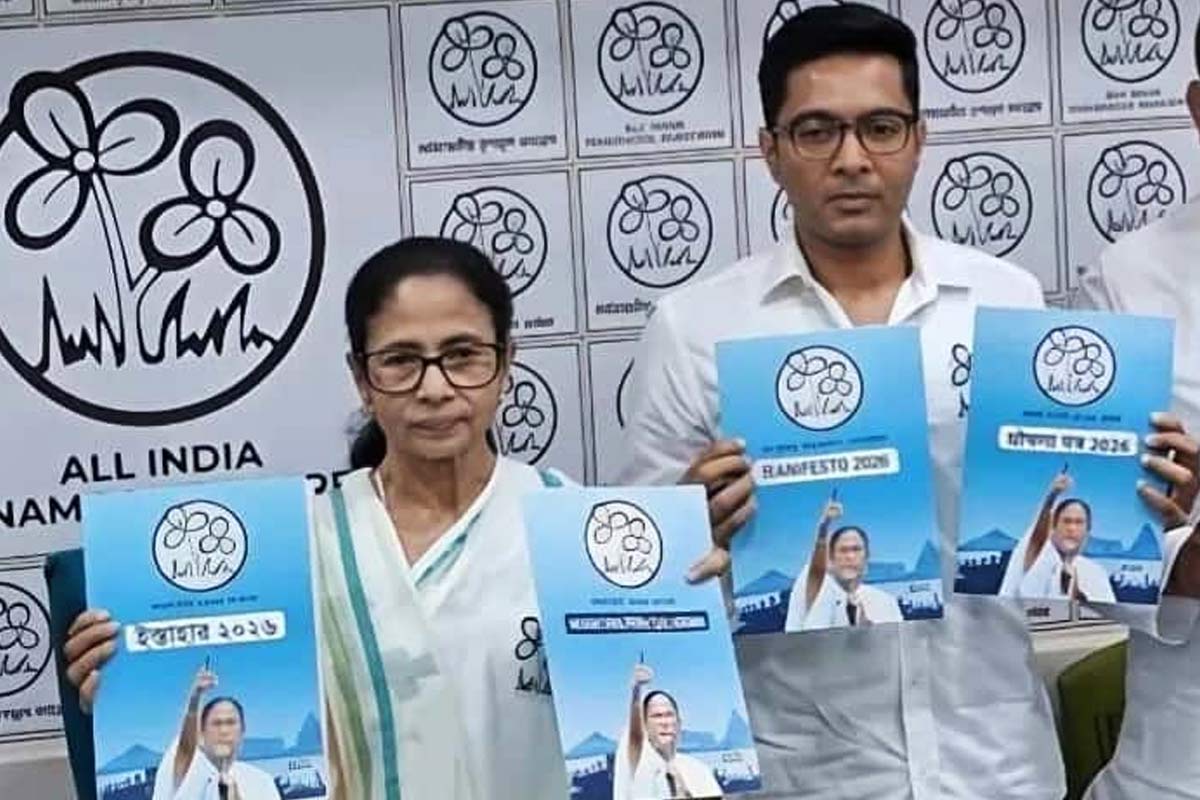





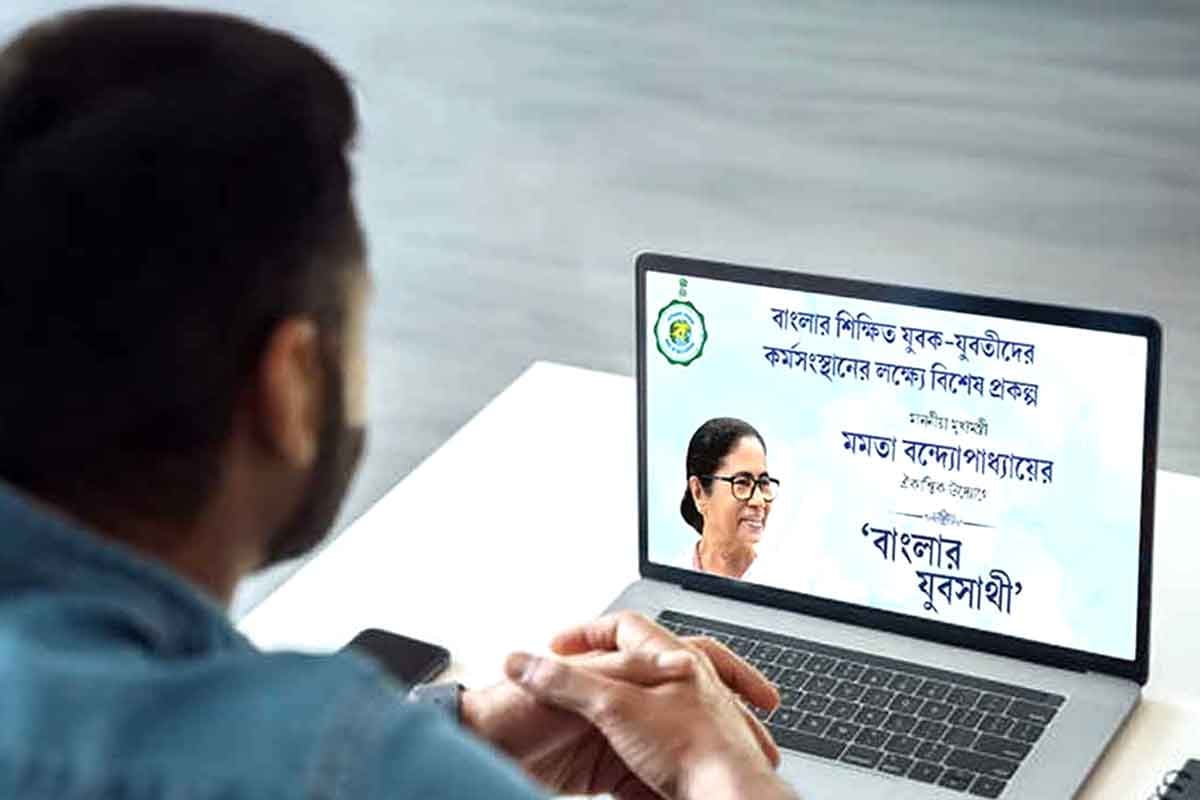
In recent weeks, West Bengal’s much-talked-about Yuva Sathi scheme has moved from hopeful announcement to messy implementation—and now to urgent damage control. Chief Minister Mamata Banerjee has reportedly given special instructions to officials to resolve complaints from beneficiaries who say they have received “successful” status messages, but not a single rupee in their bank accounts.
On paper, the idea behind Yuva Sathi is straightforward and powerful: provide financial support of ₹1,500 per month to unemployed youth in the state. Announced in the state budget as a flagship welfare measure for the jobless, the scheme is aimed at 21–40-year-old residents who are not benefiting from any other state-run public welfare program. In other words, it was designed to target a vulnerable yet politically significant group—young, unemployed, and frustrated.
But like many government schemes in India, the real test lies not in the policy document but in execution at the ground level.
What Yuva Sathi Promised
The West Bengal government positioned Yuva Sathi as a direct unemployment assistance scheme. Under it:
- Eligible applicants between 21 and 40 years of age could apply.
- Beneficiaries were supposed to receive ₹1,500 per month directly in their bank accounts.
- Those already covered under other state welfare schemes would not be eligible.
- Initially, it was indicated that the benefit would start from April.
However, in response to protests by SIR (a group of protesting job aspirants) at Dharmatala’s Metro Channel, Mamata Banerjee advanced the timeline. Instead of April, she declared that payments would begin from 7 March, a Saturday. The promise was clear: approved applicants would start seeing money in their accounts without further delay.
The scheme was also projected as a five-year commitment. Beneficiaries would receive the monthly assistance for five years, after which the government would review their status and decide whether to continue support if they remained unemployed.
On the surface, this sounds like responsible welfare: targeted, time-bound, and linked to review.
The Ground Reality: SMS Received, Money Missing
The problem began when a sizeable number of applicants noticed a troubling gap between what the system was showing and what their bank passbooks reflected.
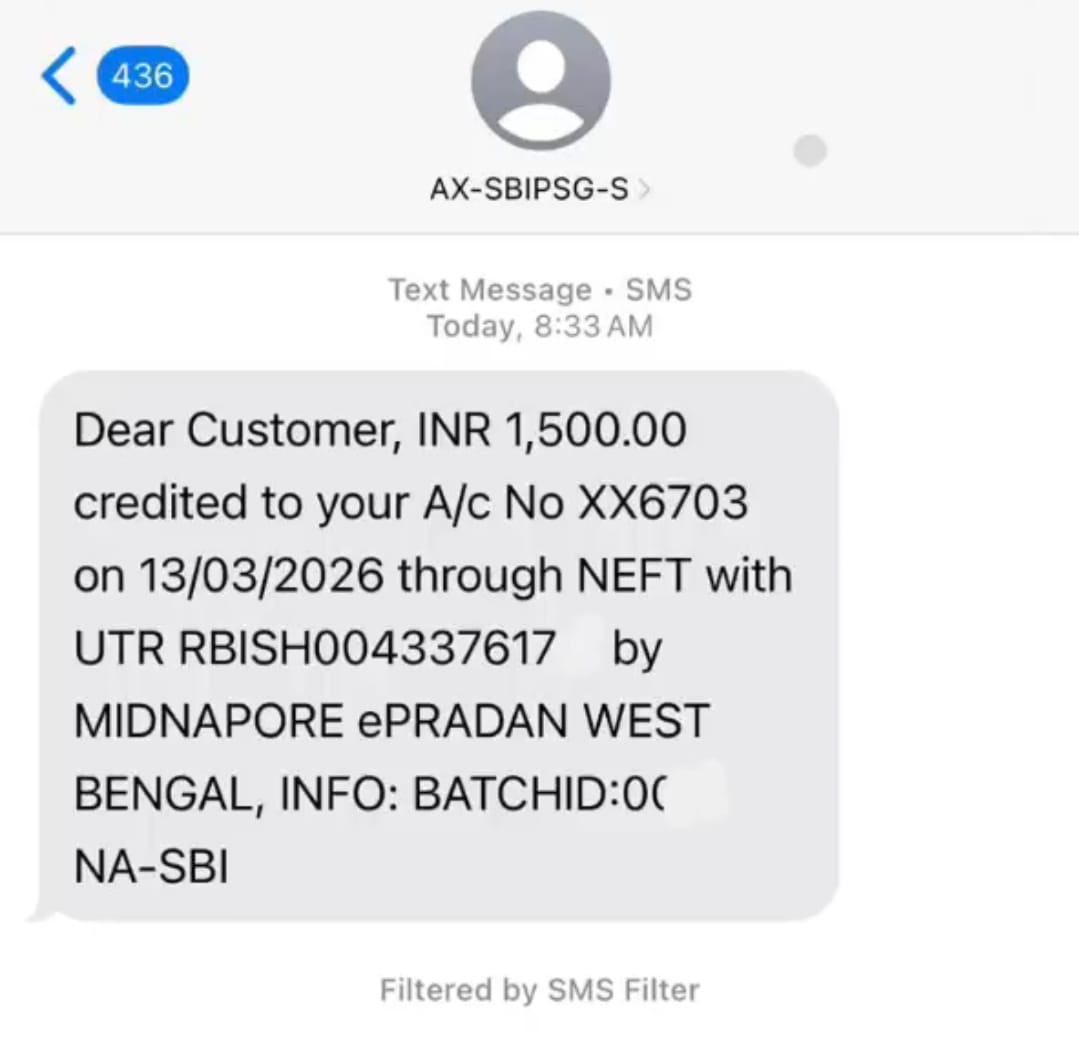
- Application status: “Successful”
- SMS alerts: Received, confirming approval or payment
- Bank account: Zero credit
This is more than just a minor technical glitch. For many unemployed youth, ₹1,500 a month is not pocket change—it can mean food on the table, transport for job interviews, or a small relief from constant financial stress. When a government scheme raises expectations and then fails at the last mile, it creates anger, distrust, and a sense of humiliation.
To her credit, Mamata Banerjee appears to have taken these complaints seriously, at least on the administrative front. In a high-level meeting at Nabanna, she reportedly instructed officials to:
- Treat these complaints with importance
- Identify and resolve payment problems as quickly as possible
- Ensure that genuine beneficiaries are not left waiting indefinitely
The message from the Chief Minister was simple: fix it, and fix it fast.
The Election Clock Is Ticking
There is, however, a larger context that cannot be ignored. As per reports, Mamata Banerjee is well aware that the countdown to the next Assembly election is about to officially begin. The Election Commission is expected to announce the poll dates soon, which will immediately bring the Model Code of Conduct into force.
Once that happens, the state government’s freedom to:
- Launch new schemes,
- Announce fresh benefits,
- Or scale up existing programs
will be heavily restricted. That makes it politically crucial for the government to:
- Roll out the benefits of Yuva Sathi fully,
- Clear pending payments,
- And project a narrative of “deliverance, not just announcements” before the code of conduct shuts the door on new welfare optics.
It is not just Yuva Sathi under this pressure. The Chief Minister has also reportedly asked officials to quickly complete disbursals under other welfare initiatives, including financial assistance to agricultural labourers in the state. In short, there is a rush to convert promises into visible, bank-account-level realities.
Is this governance? Yes. Is it also politics? Absolutely.
Welfare or Political Insurance Policy?
The timing and speed of these instructions to bureaucrats raise an obvious question: would the same urgency have been shown if elections were not looming?
Yuva Sathi is undeniably a welfare measure. But it is also a political instrument. Unemployed youth are a volatile political constituency. They are:
- Vocal on social media,
- Visible on the streets,
- And capable of swinging public opinion.
A scheme that promises them direct financial assistance is, by design, a political investment. If it works smoothly, the ruling party earns goodwill. If it misfires—through delays, glitches, and confusion—it can become a symbol of broken promises.
The fact that many applicants received “successful” status updates and SMS alerts without actual money being credited makes the government look either incompetent or indifferent, neither of which is electorally helpful. Mamata Banerjee’s latest “special instruction” is therefore not just an act of concern; it is also an act of political self-preservation.
The Fine Print of Exclusion
Another aspect that deserves more public discussion is the eligibility condition that excludes those already covered by other state schemes. On paper, this is a logical step to prevent duplication and leakage. In practice, however, it blurs the line between social security and political segmentation.
Citizens are not merely beneficiaries of individual schemes—they have multiple needs. A person may receive one type of assistance but still be unemployed, or underemployed, or on the brink of poverty. By excluding anyone benefitting from “other public welfare programs,” the government risks leaving out people who still genuinely need unemployment support.
It is also worth noting that the age bracket—21 to 40—neatly matches a key electoral demographic. Those who fall outside that bracket, but are still unemployed, do not feature in the headline politics of Yuva Sathi.
What Beneficiaries Actually Want
From the perspective of an unemployed graduate or job-seeker in West Bengal, the expectations are basic but non-negotiable:
-
Clarity:
- Am I eligible or not?
- If I am excluded, why exactly?
-
Transparency:
- If my application is successful, when will I receive the money?
- If there is a delay, who is responsible and how long will it take?
-
Reliability:
- Will this ₹1,500 come every month without fail for five years?
- Or is this going to be another stop-start welfare story that collapses after the election buzz fades?
Right now, Yuva Sathi is stuck between promise and delivery. Yes, many beneficiaries have already received their money and are reportedly happy. But the unresolved complaints—“message received, money not credited”—are a serious red flag for any scheme that relies on trust in digital and banking systems.
What the Government Needs to Do Next
If Mamata Banerjee truly wants Yuva Sathi to be remembered as a landmark welfare intervention rather than just another election-time gimmick, a few key steps are essential:
- Public Dashboard: Create a transparent, regularly updated portal showing total applications, approvals, payments made, and complaints resolved.
- Grievance Redress Mechanism: Set up a simple, time-bound system (online and offline) where beneficiaries can track their complaints and get real responses rather than vague assurances.
- Clear Communication: Use official websites, social media, and district offices to clearly explain eligibility criteria, timelines, and reasons for rejection or delay.
- Independent Audit: Allow periodic third-party audits of the scheme’s implementation so that citizens can trust the numbers being showcased.
Without these measures, even the best-intentioned welfare initiative risks being reduced to a headline and a few photo-ops.
Conclusion: A Test of Credibility
Yuva Sathi is more than just an unemployment allowance. It has quickly become a test of the West Bengal government’s credibility among young voters. The Chief Minister’s special instructions to clear pending issues and resolve payment glitches show that the pressure is real—and that the government knows it cannot afford a large group of angry, publicly vocal, unemployed youth just months before an election.
Whether this scheme will ultimately be remembered as a genuine lifeline or merely a rushed political band-aid will depend on what happens in the next few weeks: do all eligible beneficiaries actually see money in their accounts, or does Yuva Sathi become yet another story of digital approvals without real-world impact?
For now, one thing is certain: the youth of West Bengal are watching, not just the promises, but the passbook entries.