






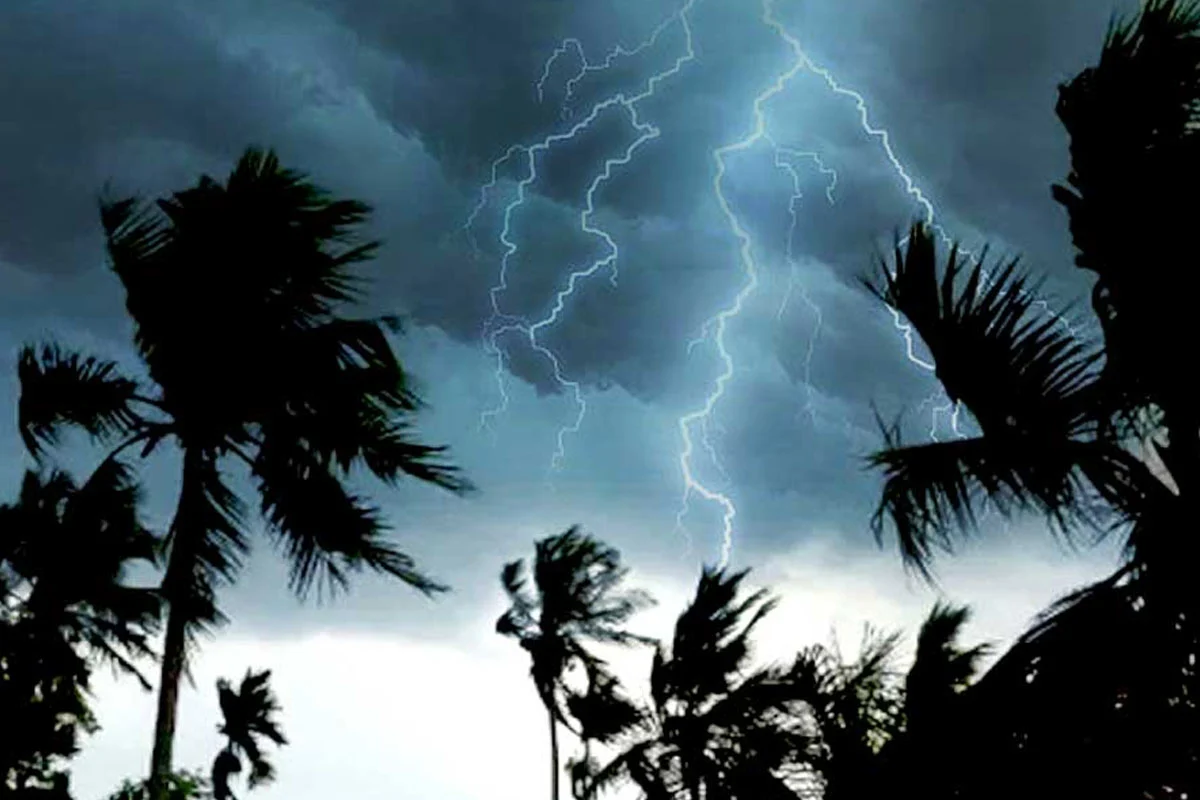
The latest forecast from the Alipore weather office has once again put Kolkata and large parts of South Bengal on alert. According to the current update, the city is likely to witness a classic Kalbaisakhi‑style thunderstorm this evening, with strong winds, heavy rain, and even the possibility of hail.
As someone who has grown up watching these sudden summer storms change the mood of Kolkata within minutes, I find this forecast both familiar and worrying. Familiar, because Kalbaisakhi is almost a seasonal ritual here. Worrying, because recent years have shown us how even a single intense storm can disrupt daily life—traffic jams, waterlogging, power cuts, falling trees, and damage to homes and shops.
What the Forecast Is Saying
The Alipore Meteorological Department has predicted:
- Thunderstorms with lightning over Kolkata and several districts of South Bengal
- Wind speeds between 40–60 km/h, strong enough to break branches and topple weak structures
- Rainfall accompanied by hail in some areas of the city and surrounding regions
- Unstable and stormy weather across 9 districts in South Bengal
At the same time, North Bengal is under alert for heavy to very heavy rainfall in certain upper districts. That means the impact of this system is not limited to Kolkata alone; a large part of the state may see significant weather activity within a short span of time.
Why This Matters More Than “Just Another Storm”
Many of us in Kolkata have a slightly casual attitude toward weather warnings. After all, storms and sudden showers are part of our everyday experience, especially in the pre‑monsoon months. But I believe this kind of forecast deserves more attention.
There are three reasons for that:
- Urban vulnerability – Kolkata’s drainage system and infrastructure are still not fully prepared for sudden, intense cloudbursts. Even an hour of heavy rain can flood major roads, lanes, and low‑lying areas.
- Increased frequency of extreme events – In recent years, we have seen stronger cyclones, more erratic rainfall, and unpredictable storm patterns. That trend should make us more cautious, not less.
- Public safety and misinformation – At a time when social media is full of unverified weather “news”, it becomes even more important to pay attention to credible alerts from official sources.
This is why a clear, verified forecast like this one—from an official weather office—deserves to be taken seriously.
South Bengal on Alert: Beyond Kolkata
The forecast is not limited to the city alone. Nine districts in South Bengal are expected to experience rain and storms. While the detailed list may change as the system evolves, the overall message is clear: large parts of South Bengal are in the path of unstable weather.
For people in these districts, the risks are slightly different from those in the urban core:
- In semi‑urban and rural areas, thatched houses, temporary sheds, and tin roofs are more vulnerable to strong winds.
- Farmers may have to worry about damage to standing crops or freshly harvested produce.
- Road connectivity can be hit by fallen trees, broken electric poles, or localized flooding.
In my view, weather updates should now be treated as seriously as election news or economic announcements. They affect our safety, our livelihoods, and even the prices of essential commodities.
North Bengal: Heavy to Very Heavy Rainfall Warning
While the spotlight is currently on Kolkata and South Bengal, the situation in North Bengal also needs attention. The forecast warns of heavy to very heavy rain in some of the upper districts.
This kind of intense rainfall can:
- Trigger landslides in hilly areas
- Lead to sudden swelling of rivers and streams
- Affect road and rail connectivity
Even if you live in South Bengal, North Bengal’s weather is not something to ignore. The state is interconnected—tourism, tea gardens, transport, and trade all feel the impact of disrupted weather patterns.
My Take: Respect the Forecast, Not the Hype
One important note included in the original report is a reminder about fake or misleading information circulating online. This is something I strongly agree with.
Today, every major weather event is followed by:
- Random social media posts claiming “super cyclones” are coming
- Old photos and videos being recycled as “breaking news”
- Voice notes full of rumours and fear
In the middle of all this noise, verified weather updates from official sources and responsible newsrooms become crucial. As readers and citizens, it is our responsibility to:
- Check the source before sharing any alert
- Follow official weather bulletins
- Avoid spreading unnecessary panic
Personally, I would rather refresh the official forecast page a few times than forward a scary, unverified audio clip on WhatsApp.
How People in Kolkata and South Bengal Can Prepare
Instead of treating this as a one‑time warning, we can use it as a reminder to build small, practical habits around extreme weather.
Some simple steps I recommend:
- Secure balconies and rooftops – Remove or tie down loose items like flowerpots, plastic chairs, and cloth stands.
- Check windows and doors – Make sure they close properly to prevent water seepage and wind damage.
- Avoid unnecessary travel during peak storm hours – If the storm is expected in the evening, try to return home a bit earlier.
- Stay away from trees, electric poles, and open fields during lightning.
- Charge phones and power banks in advance, in case of power cuts.
- Keep emergency contacts handy – electricity helplines, local civic body numbers, etc.
These steps may sound small, but they can make a real difference when a sudden storm hits.
Looking Ahead: Weather as a Daily Essential
If there is one larger lesson from this forecast, it is this: weather is no longer background information. It is central to how we plan our days, our commutes, our work schedules, and even our safety.
For Kolkata and South Bengal, the coming hours may bring:
- Strong winds up to 40–60 km/h
- Thunder, lightning, and heavy rain
- Possible hail in some locations
- Disruption to normal life if the system intensifies
In my opinion, the smartest approach is a balanced one—no panic, but no negligence either. Respect the forecast, stay informed, and be prepared.
Final Word
The weather update for South Bengal is a timely reminder that nature still sets the ultimate agenda. Whether you are in Kolkata, the surrounding districts, or the upper regions of North Bengal, this is the moment to:
- Stay informed through reliable sources
- Take basic precautions at home and outside
- Treat extreme weather warnings as seriously as any other major news
Kolkata has always been a city that adjusts quickly—to politics, to festivals, to sudden changes in mood. It is time we bring that same adaptability and seriousness to our approach to weather.
For now, all eyes remain on the sky over South Bengal—and on the next update from the weather office.