




Mamata Banerjee Begins 2026 Battle from Her ‘Home’ Bhabanipur
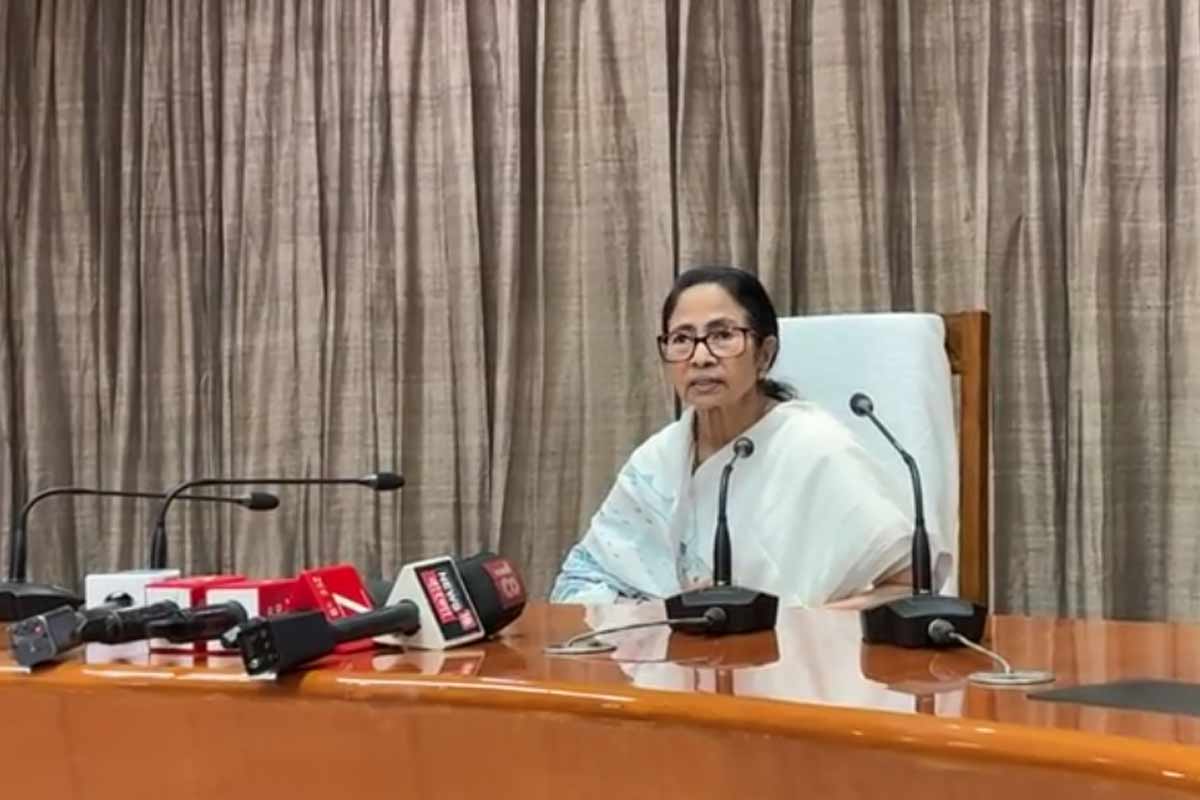
West Bengal’s political battlefield is heating up, and once again all eyes are on Bhabanipur. Chief Minister and Trinamool Congress (TMC) supremo Mamata Banerjee has chosen her home turf to formally launch her campaign for the 2026 West Bengal Assembly Election.
On Sunday evening, the ‘daughter of Bhabanipur’ is set to address a key organisational meeting at Ahindra Mancha in Chetla, signaling the beginning of a high‑voltage election season in the state.
A Strategic Start from the ‘Home Seat’
Bhabanipur has long been projected by the Trinamool as Mamata Banerjee’s own “ghar” — her political home and emotional base. Since the 2021 by‑election, one slogan has dominated the streets and lanes of the constituency:
“Unnayan ghore ghore, ghorer meye Bhabanipure.”
Development in every home, the daughter of the house in Bhabanipur.
With Mamata Banerjee once again declared as the TMC candidate from Bhabanipur for 2026, that old slogan has returned to the walls, banners and hoardings of the area. Party workers are actively showcasing what they claim as years of development and welfare work in the constituency.
By kicking off her 2026 campaign from Bhabanipur, Mamata is sending a clear political message: the battle for Bengal will be led from her own ground, and she is ready to defend it.
High‑Profile Leaders, High‑Stakes Meeting
Sunday’s workers’ meet at Ahindra Mancha is not just another routine gathering. According to party sources, the meeting has been called for 7 PM and will see the presence of key TMC heavyweights:
- Mamata Banerjee, Chief Minister and party supremo
- Abhishek Banerjee, TMC National General Secretary
- Firhad Hakim, Kolkata Mayor
- All Trinamool councillors from the Bhabanipur area
This combination underlines how seriously the party is treating Bhabanipur. The constituency is expected to be one of the most closely watched seats of 2026, not only because of Mamata’s candidature but also due to the likely challenge from Leader of the Opposition Suvendu Adhikari.
The objective of the meeting is twofold: to finalise the broader election strategy and to give clear directions on the local campaign plan for Bhabanipur.
Voter List Controversy: From Concern to Campaign Tool
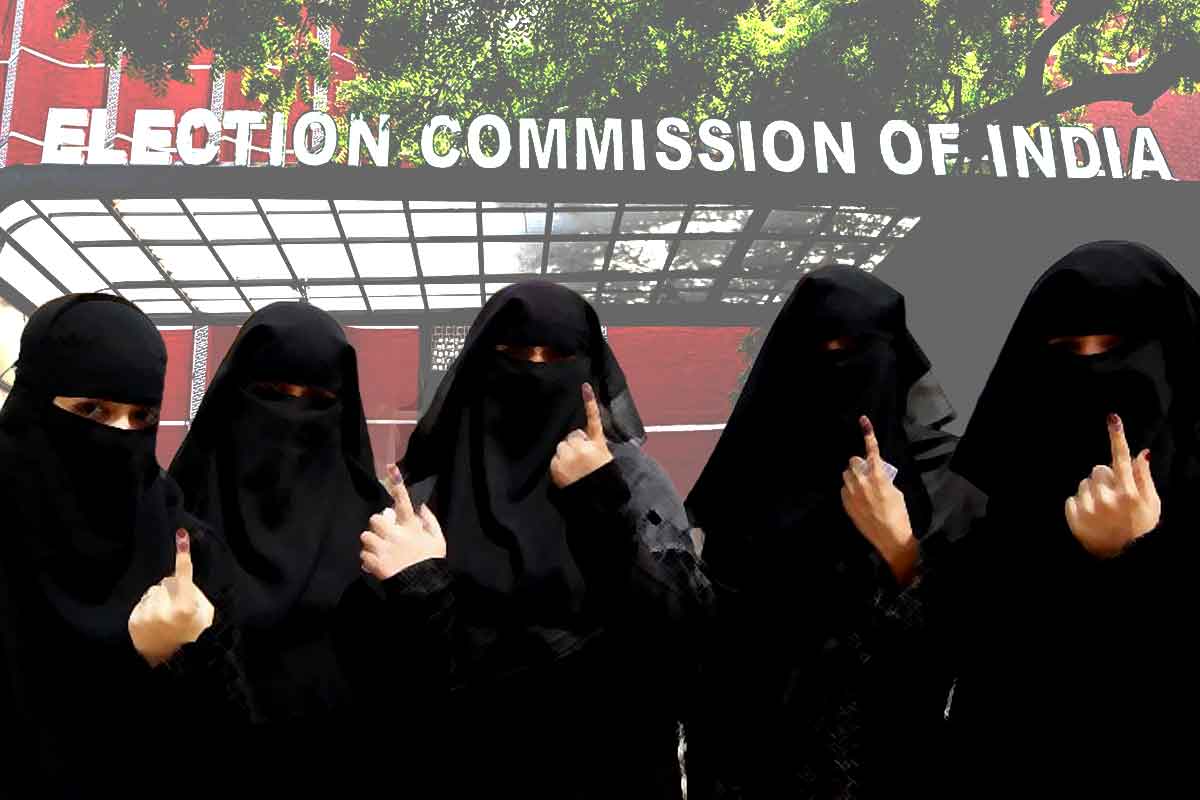
One of the most sensitive issues likely to dominate Sunday’s discussions is the alleged large‑scale deletion of names from the voter list in Bhabanipur.
Reports suggest that nearly 45,000 names have been struck off the rolls under the SIR process. In a high‑stakes seat like Bhabanipur, this is not a small number. It directly affects the electoral arithmetic and has become a matter of serious political concern for the ruling party.
Within Trinamool circles, there is strong speculation that Mamata Banerjee will turn this voter list controversy into a central campaign plank. The expectation is that she will:
- Highlight the alleged arbitrary deletion of genuine voters,
- Question the intentions behind such a large‑scale revision,
- Frame the issue as an attack on people’s democratic rights,
- Use it to mobilise supporters and consolidate public anger.
How Mamata chooses to “weaponise” the SIR issue in her speeches and campaign narrative from Bhabanipur will be a crucial indicator of the tone of the 2026 battle.
Door‑to‑Door: TMC’s Grassroots Push
A few days before Mamata’s meeting, state TMC president Subrata Bakshi had already met with local leaders and cadres to chalk out the preliminary strategy.
The clear instruction from the top: intensify door‑to‑door contact.
Party workers have reportedly been told:
- To prioritise direct public outreach over big shows,
- To visit every household in the constituency repeatedly,
- And if necessary, to visit the same home up to 10 times to ensure full communication and mobilisation.
The message is simple — no voter should feel ignored, and no lane or locality should be left untouched.
In an era of social media campaigns and loud television debates, this focus on micro‑level, face‑to‑face connect reflects the Trinamool’s traditional strength: its ground network.
A High‑Voltage Contest: Mamata vs Suvendu
Bhabanipur is not just any other seat. With Suvendu Adhikari projected as Mamata Banerjee’s main rival here in 2026, the constituency is poised to become one of the most high‑voltage battlegrounds in the state.
On one side stands Mamata — three‑time Chief Minister, long‑time Bhabanipur representative, and the central figure of the Trinamool Congress.
On the other side stands Suvendu Adhikari — Leader of the Opposition, BJP’s key face in Bengal, and the man who defeated Mamata in Nandigram in 2021.
A direct face‑off between these two in Bhabanipur would raise the political temperature steeply and turn the seat into a symbolic referendum on leadership and narrative:
- For Trinamool, defending Bhabanipur is about protecting home ground and asserting that the “daughter of Bhabanipur” still commands loyalty.
- For the BJP, challenging Mamata in her home seat is about projecting strength and questioning the invincibility of the ruling establishment.
Keeping Cadres in Rhythm, Avoiding Provocation
With such high stakes, the risk of confrontation on the ground is always present. That is precisely why Trinamool’s internal messaging has reportedly stressed two things:
- Maintain organisational rhythm – focus on structured, disciplined campaigning.
- Avoid falling for provocation – do not respond to any attempt by opponents to trigger clashes or divert attention.
For the party, the priority in Bhabanipur appears to be a confident but controlled campaign — one that stays rooted in its own narrative and does not get derailed by street‑level skirmishes.
From Bhabanipur to the Districts: A Statewide Rollout
Sunday’s programme in Chetla is not an isolated event. It is widely seen as the formal flag‑off of Mamata Banerjee’s statewide 2026 campaign.
According to party sources:
- Mamata will begin her tours across different districts from Monday,
- She will address multiple rallies and organisational meetings,
- But before she takes the message to the rest of Bengal, she is starting from Bhabanipur — her own constituency.
This sequencing is politically symbolic. By beginning at home, Mamata is:
- Reaffirming her bond with Bhabanipur,
- Using a familiar stage to set the tone and tempo,
- And then carrying that momentum outward to the rest of the state.
Bhabanipur: More Than Just a Seat
Over the years, Bhabanipur has evolved from a mere Assembly constituency into a political symbol. It represents Mamata Banerjee’s personal connection with Kolkata’s urban electorate, her image as the “ghorer meye”, and the Trinamool’s model of local‑level governance and welfare outreach.
As banners go up, slogans return, and workers fan out across lanes and apartment blocks, one thing is clear: for Mamata Banerjee, the road to Nabanna in 2026 once again runs through Bhabanipur.
Whether the voters of this ‘home seat’ choose to renew her mandate or send a different message will be one of the key stories to watch in the coming months.