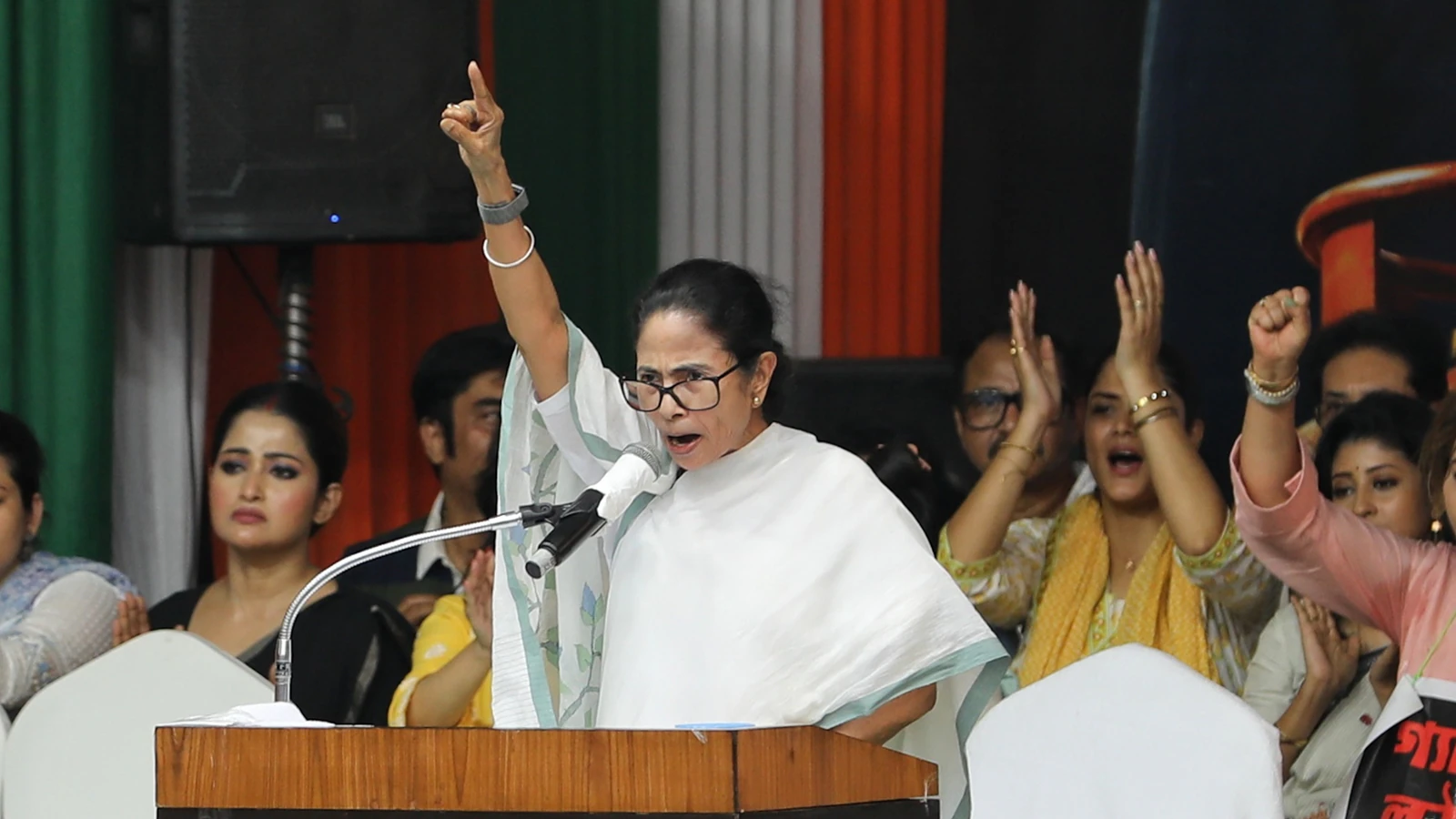


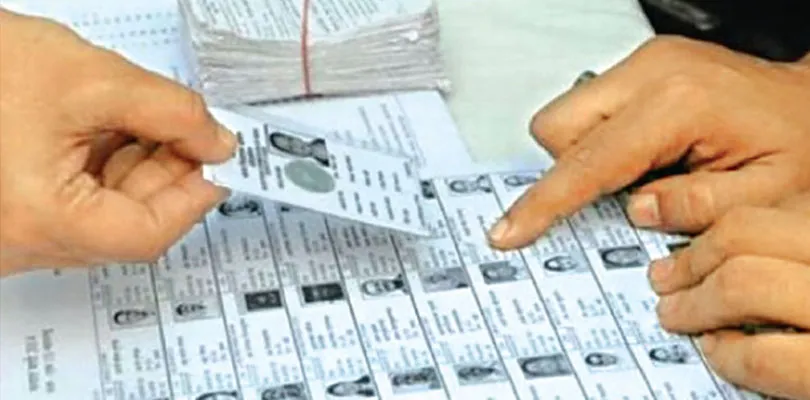
In Bangaon, a key centre of the Matua community in North 24 Parganas, a new wave of anxiety has gripped residents as many of their names have reportedly been excluded from the second supplementary voter list under SIR.
For thousands of Matuas who have already spent years in legal and bureaucratic uncertainty, the supplementary lists were supposed to offer clarity and relief. Instead, the latest list has intensified their fears of political and civic exclusion.
According to local reports from Bangaon South Assembly constituency, especially in areas like Chandpara Gram Panchayat, a large section of Matua residents who were under adjudication have now found their names missing from the updated electoral rolls.
The Numbers That Tell a Disturbing Story
At one booth in Chandpara Gram Panchayat (Booth No. 173), 186 names were under adjudication in earlier lists. In the second supplementary list published on Friday, decisions were recorded for 184 of those voters. But what has truly shocked the locality is this:
- Out of 184 resolved cases, 183 names have reportedly been removed from the voter list.
- A large majority of those excluded are said to be from the Matua community.
For a community that has historically lived with insecurity over citizenship documents, and that has been heavily courted by political parties in recent years, such mass exclusion from the rolls is more than a technical issue—it is a direct hit on their political voice.
Lives Behind the Numbers: Entire Families Dropped
The crisis is not just statistical; it is intensely personal.
Local resident Tarun Sarkar describes a deeply unsettling situation: there are eight members in his family, but only one name remains on the list. The other seven have disappeared from the rolls.
Tarun and others in the locality identify themselves as members of the Matua community, many of whom came to India decades ago, often with border slips and have long been present in:
- Old voter lists (including the 1988 rolls)
- Local records and documents
Yet, despite presenting these records, they now find themselves derecognized as voters.
The Political Promises vs. Ground Reality
This development must be seen against the backdrop of the last few years of political outreach to the Matua community.
The Matuas, a large refugee-origin community with a significant presence in Bangaon, Bagda, and adjacent areas, have been at the centre of the national debate on citizenship, NRC, and CAA. Political leaders across parties have repeatedly visited Matua-dominated areas, promising security, citizenship, and protection of voting rights.
Residents now recall repeated assurances that “not a single Hindu’s name would be removed from the voter list”—a sentiment often associated with BJP leaders, including Matua leaders within the party like Shantanu Thakur. The current exclusions have therefore triggered serious disappointment and a sense of betrayal.
When people who see themselves as core supporters or targeted beneficiaries of specific political promises begin to lose their franchise rights, the political cost can be far-reaching.
Citizenship, Identity, and Trust
For many Matuas, the current crisis is not just about voting in one election but about something deeper: the right to belong.
Many of those excluded claim:
- They possess border slips proving arrival in India.
- Their names have historically existed in older voter lists.
- They have complied with required processes and produced documents when asked.
Yet, they now find that these records are not enough to keep them on the electoral rolls. This creates a corrosive effect on trust:
-
Trust in the electoral process: When entire families lose voting rights despite long-term residence and prior inclusion, it raises questions about transparency, criteria, and error-correction mechanisms.
-
Trust in political promises: When leaders promise protection of Hindu refugees and specifically court the Matua vote, mass exclusions undermine the credibility of those promises.
-
Trust in the state: For a community that has already experienced displacement and marginalization, repeated administrative shocks deepen the sense of being second-class citizens.
Anger in Bangaon and Bagda
The discontent is not confined to one booth or one locality. Reports suggest that in Bagda and other nearby areas as well, many residents whose cases were pending (“under adjudication”) have also been dropped from the second supplementary list.
This has triggered growing anger, directed especially at the central authorities and at the broader system responsible for the SIR and electoral verification processes.
Some residents allege that the process lacks clarity and sensitivity towards the historical and socio-political context of the Matua community, who migrated due to religious and social persecution and have lived in these areas for decades.
Beyond Lists: The Larger Political Battleground
Bangaon and the surrounding region have turned into an intense political battleground in West Bengal:
- The BJP has invested heavily here, projecting itself as a protector of Hindu refugees and Matuas in particular.
- The Trinamool Congress (TMC) has also courted the community, combining welfare politics with strong critiques of the BJP’s national policies on citizenship.
- The Congress and Left have tried to regain relevance but largely remain on the margins of Matua politics compared to BJP and TMC.
In this context, large-scale exclusion of Matua names from voter lists is not just an administrative episode—it could become a major election issue.
If the perception grows that a section of citizens is being systematically pushed out of the democratic process, both the state and central governments will face sharp questions about intent, implementation, and accountability.
Legal Route: Tribunal and Online Applications
One of the few reliefs available to those who have been excluded is the option to appeal through tribunals. Officials have reportedly indicated that voters whose names are marked as disputed or excluded can apply online for redressal.
However, multiple concerns remain:
- Timeline: There is still uncertainty over how long it will take for these cases to be resolved, especially with elections drawing closer.
- Accessibility: Many among the affected are not digitally literate or lack easy access to online systems.
- Transparency: Without clear and simple explanations of why names were dropped, it is difficult for individuals to prepare an effective appeal.
For the process to be meaningful, the tribunal route must be:
- Simple
- Time-bound
- Transparent
Otherwise, it risks becoming yet another bureaucratic maze that further alienates already anxious communities.
What This Means Going Forward
The exclusion of many Matua names from the second supplementary list in Bangaon and nearby areas highlights several urgent questions:
- Will all eligible Matua residents be restored to the voter rolls in time for upcoming elections?
- Can the state and central authorities provide clear, written, and accessible reasons for every exclusion?
- How will major parties—especially those who have built their politics around citizenship and refugee protection—respond to these developments on the ground, not just in speeches?
- Will there be a transparent audit or review mechanism to ensure no eligible citizen is disenfranchised?
For now, anger is simmering in Bangaon and Bagda. A community that has been repeatedly wooed by politicians with promises of dignity, citizenship, and security is once again standing in queues—this time not to cast a vote, but to prove that they still have the right to do so.
In the coming weeks, how the administration and political leadership respond to the Matua community’s concerns over voter list exclusions will be a crucial test—not only of electoral fairness, but of India’s broader commitment to inclusive citizenship.