




Bengal’s 2026 Battle Officially Begins
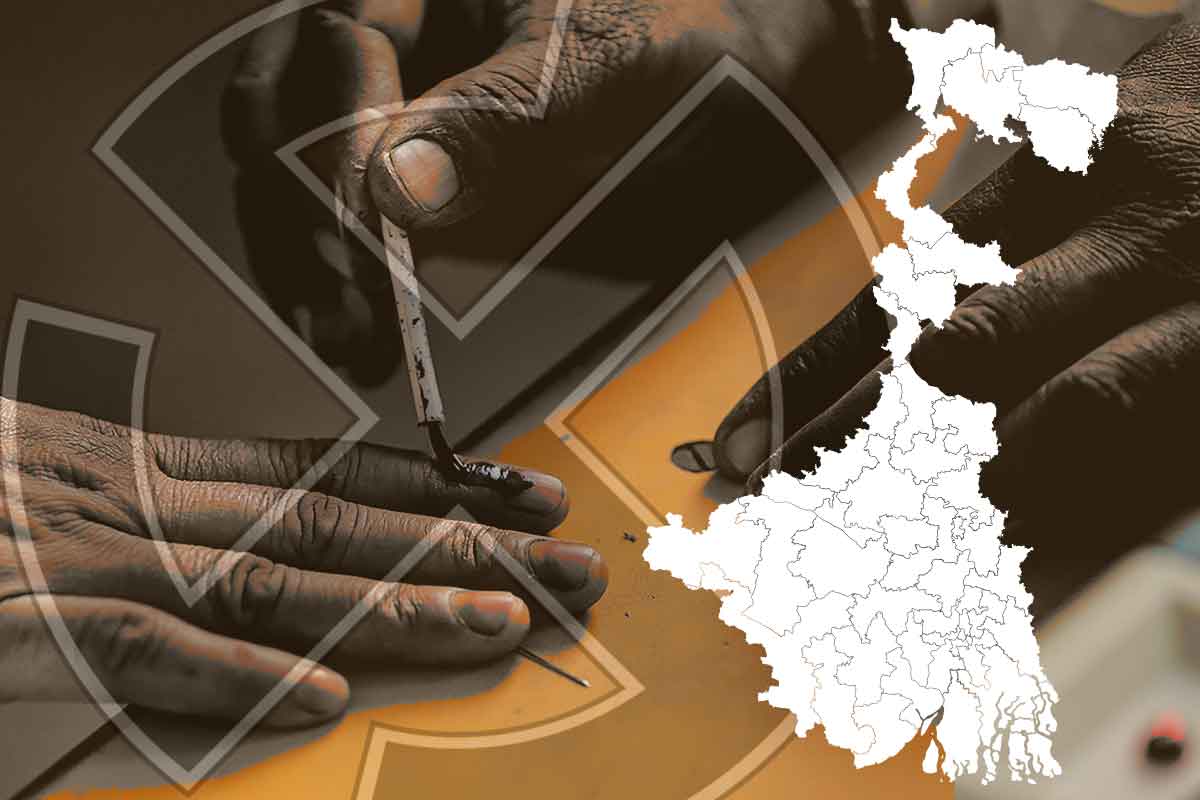
The West Bengal Assembly Election 2026 has moved from speculation to concrete action. With the Election Commission of India (ECI) issuing the notification for the first phase of polling, the nomination process has started across key constituencies. On the very first day, the Commission reports that 59 candidates submitted a total of 78 nomination papers in West Bengal.
On the surface, these may appear to be just procedural numbers. But in Bengal’s intensely competitive political landscape, even the pattern of nominations—where they come from, how many are filed, and who files first – often signals strategy, confidence, and future flashpoints.
Key Election Schedule: Two-Phase Voting in April
According to the Election Commission’s previously announced schedule (released on 15 March 2026), the West Bengal Assembly polls will be conducted in two phases at the end of April:
- First Phase Voting: 23 April 2026
- Second Phase Voting: 29 April 2026
Along with West Bengal, three other states and one Union Territory will vote in this election cycle. For Bengal, the ECI had indicated that:
- Notification for the first phase would be issued on 30 March 2026 (which has now happened).
- Notification for the second phase will be issued on 2 April 2026.
With Monday’s notification, the state has formally entered the nomination phase – the first real test of ground-level organisational strength for all major parties.
What the Numbers Say: 59 Candidates, 78 Nominations
On Day 1 of nominations for the first phase, the Election Commission reports:
- Total candidates who filed nominations: 59
- Total nomination papers submitted: 78
The discrepancy between candidates and nomination papers is not unusual. In Indian elections, it is common for a single candidate to submit more than one nomination form as a safeguard against technical errors, missing documents or legal objections.
The Commission has clarified that:
- Many candidates choose to file multiple nominations as backup.
- All such nominations will be scrutinised carefully before final acceptance.
From a political perspective, a higher number of nominations on Day 1 can indicate:
- Well-prepared parties that want to signal strength and confidence early.
- Organisational discipline, ensuring paperwork and procedural requirements are not left to the last minute.
- An attempt to shape the narrative that “our campaign is already in full swing” while rivals are still finalising names.
Hotspot Constituencies: Mahishadal, Nandakumar, Nandigram, and Kharagpur
As per Election Commission sources, several constituencies in East Medinipur and Paschim Medinipur have already emerged as points of interest on Day 1:
- Mahishadal (East Medinipur) – 3 nominations filed
- Nandakumar (East Medinipur) – 3 nominations filed
- Nandigram (East Medinipur) – 3 nominations filed
- Kharagpur – 3 nominations filed
The fact that these seats witnessed multiple nominations on Day 1 is politically significant:
-
East Medinipur as a Political Nerve Centre
East Medinipur has, in recent years, become one of the most politically sensitive districts in Bengal politics – especially post-Nandigram’s rise as a symbol of both resistance and power play. -
Nandigram’s Symbolic Weight
Nandigram, in particular, has transcended being just another constituency. It is now a symbolic battleground where rival political narratives about land struggles, governance, and defections collide. The early filing of nominations here shows that parties are not treating this as a routine seat – it remains central to statewide political messaging. -
Kharagpur’s Strategic Importance
Kharagpur, with its mix of urban, semi-urban, and industrial influences, often reflects broader political currents, especially in western Bengal. The early movement here suggests serious groundwork and an eagerness to claim narrative advantage.
Shuvendu Adhikari Files First Nomination in Nandigram
One of the most notable developments on Day 1 has been the first nomination filed in Nandigram by Shuvendu Adhikari.
While the Commission’s report is factual, the political implications are layered:
-
Symbolism of Being ‘First’: In high-profile constituencies like Nandigram, being the first to file a nomination is not just administrative – it is a calculated political move. It conveys readiness, confidence, and a desire to project control over the narrative.
-
Message to Rivals and Cadre: For party workers and local supporters, such an early nomination can act as a morale booster, signalling that the party’s central leadership and star candidates are fully committed to the battlefield.
-
Reinforcing Claim Over Nandigram: Given Nandigram’s troubled and politically charged history, Shuvendu’s early nomination reasserts his claim over the constituency’s legacy and future – a direct message not only to opponents but also to any internal sceptics.
Nomination Timeline: What Happens Next?
The Election Commission has laid out a clear timeline for the nomination process in West Bengal:
-
Nomination Filing Window
- Candidates can file their nomination papers up to 6 April 2026.
-
Scrutiny of Nominations
- All filed nominations will be examined on 7 April 2026.
- At this stage, the Commission checks for completeness, validity of documents, criminal affidavits, and compliance with eligibility conditions.
-
Last Date for Withdrawal
- Candidates will have time till 9 April 2026 to withdraw their nominations voluntarily.
- This period is often used for last-minute seat adjustments, alliance negotiations, and rebel management.
From a political analysis standpoint, the days between scrutiny and withdrawal are crucial:
- Parties assess which seats have too many contenders or potential rebels.
- Negotiations with smaller allies and independent aspirants intensify.
- The final list of candidates, post-withdrawal, gives a clearer picture of who is serious about contesting where.
Why the First Day Matters Politically
Many observers tend to dismiss Day 1 numbers as a formality. However, for seasoned political strategists, the opening day of nominations offers several insights:
-
Organisational Readiness: Parties that manage to file nominations smoothly on the first day usually have robust booth-level and legal support systems in place.
-
Clarity of Candidate Selection: Early nominations often indicate that candidate selection was decided well in advance, reflecting internal clarity – or at least a decision to project such clarity.
-
Psychological Edge: Starting early helps set the tone on the ground. It tells voters and local influencers that the campaign has already begun, even before rallies and roadshows reach full intensity.
In Bengal’s context, where political messaging, symbolism, and timing are as important as numbers, the first day of nominations can set the rhythm for the weeks ahead.
Broader Context: March 15 Announcement and National Backdrop
The current nomination process is rooted in the 15 March 2026 announcement by the Election Commission, when the full schedule for West Bengal and three other states, plus one Union Territory was released.
That announcement did two important things:
-
It froze the political calendar. Parties could no longer delay key decisions around alliances, ticket distribution, and campaign themes.
-
It shifted politics from rhetoric to structure. Once dates are announced, the debate moves from television studios and social media to booth management, candidate logistics and legal compliance.
The first phase notification on 30 March is a continuation of that structured transition from political noise to electoral process.
What to Watch For in the Coming Days
As the nomination window continues till 6 April, a few trends will be worth watching closely:
-
Spike in Nominations Across High-Profile Seats
Constituencies like Nandigram, Kharagpur and key seats in East and West Medinipur may see a surge in last-minute nominations, both from major parties and independents. -
Rebel Candidates and Independents
Disgruntled aspirants denied tickets often wait till the last days to file as independents. The number of such candidates will indicate the level of internal cohesion or discord within major parties. -
Alliance Management
If any pre-poll alliances or seat-sharing arrangements are in play, they will have to crystallise in the next few days, before scrutiny and withdrawal. -
Legal and Technical Challenges
With 78 nomination papers already filed on Day 1, and more to come, scrutiny on 7 April could become a decisive filter. Any rejections on technical grounds could change local equations overnight.
Conclusion: A Procedural Step With Political Signals
The first day of nominations for the West Bengal Assembly Election 2026 may look like a purely administrative milestone, but the details tell a more political story.
- 59 candidates and 78 nomination papers show that parties were ready to move as soon as the notification dropped.
- Key constituencies in East Medinipur and Kharagpur emerging as early hubs highlight where the first phase contest will be most intense.
- Shuvendu Adhikari’s early nomination in Nandigram underlines the continued symbolic centrality of that seat in Bengal’s political theatre.
As the nomination process continues and the final list of candidates emerges after 9 April, the true contours of the 2026 battle for Bengal will become clearer. For now, the message from the first day is unmistakable: the election has officially begun, and the main players are already on the field.