





A Loyalty Test Gone Wrong in Bengal BJP?
In West Bengal’s charged 2026 Assembly election, a fresh storm has hit the state unit of the Bharatiya Janata Party (BJP) — and this time the criticism is coming from inside the house.
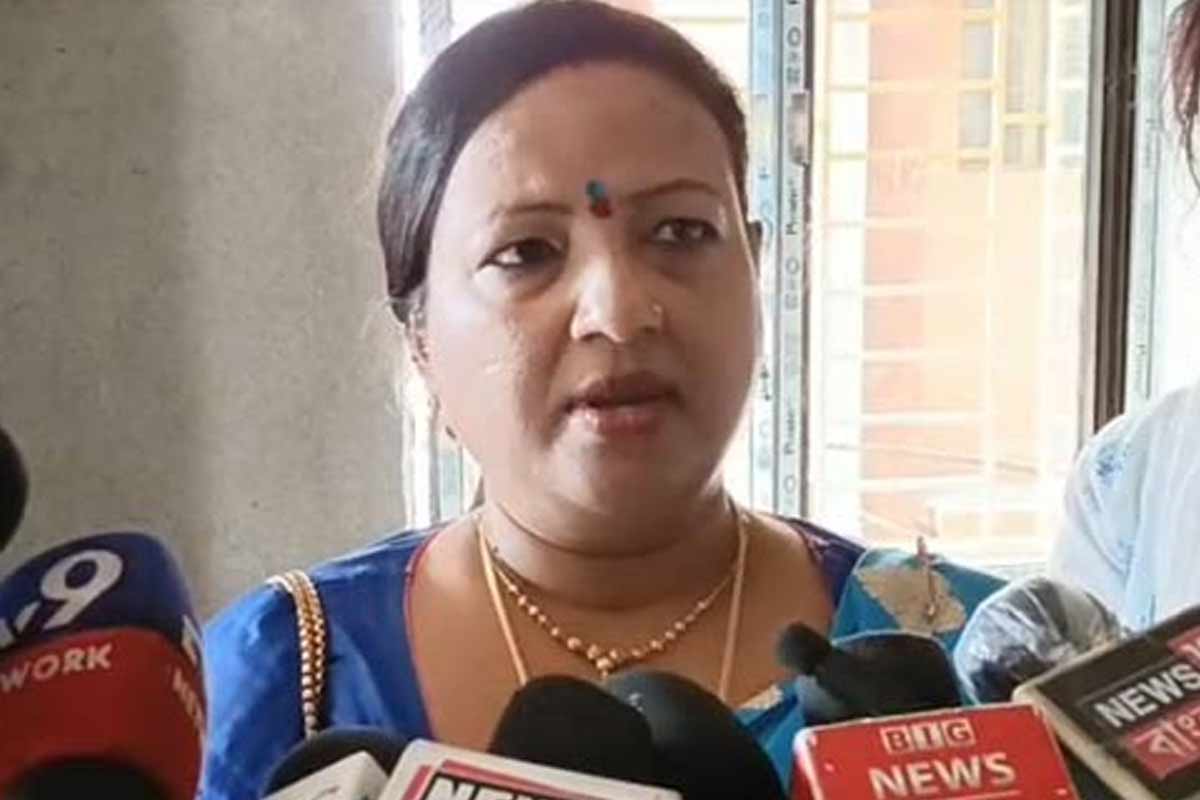
Rinku Majumdar, a long‑time BJP worker and wife of senior leader and former state president Dilip Ghosh, has publicly questioned the party’s ticket distribution process. Denied a nomination herself, she has raised serious allegations about the background of some BJP candidates, accusing the leadership of rewarding the tainted while sidelining the loyal.
Her outburst is not just about personal disappointment. It opens a larger debate on corruption, criminal charges and dynasty politics inside parties that publicly claim to stand against all three.
Long‑Time Worker, No Ticket: The Beginning of the Rift
According to reports, Rinku Majumdar had been preparing for an electoral role well in advance of the 2026 elections. She submitted her biodata to the BJP’s state headquarters, projecting herself as a dedicated and eligible candidate. As a grassroots worker associated with the party for years, she expected at least a fair consideration.
However, when the BJP released its candidate lists in two phases — covering 255 constituencies — her name was missing. Not only did she not get her preferred seat, she was not fielded from any seat.
For someone who believed the party rewards loyalty and hard work, this came as a rude shock. Her disappointment soon turned into pointed questions directed at the party’s top decision‑makers.
Allegations Against BJP Candidates in Rajarhat–New Town and Bijpur
Rinku’s criticism is particularly sharp regarding two specific constituencies:
- Rajarhat–New Town: BJP has fielded Pishush Kanoria (name as reported). Rinku alleges that he is linked to financial corruption and has been involved in questionable dealings.
- Bijpur: The BJP candidate Sudipta Das reportedly faces an allegation of involvement in the murder of a Trinamool Congress leader. He is currently out on bail.
Rinku claims that she informed Sunil Bansal, the central observer for Bengal BJP, about these serious allegations. She says she openly told him that these candidates were associated with financial irregularities and criminal charges.
According to her, Bansal initially responded by saying that if she could provide proof, the party would consider changing the candidates. But, as she narrates it, the next day the subject of replacing candidates was conveniently dropped. No change was made.
This has led her to believe that once the party announces names, the leadership is reluctant to reverse its decisions — even if the candidates face serious credibility questions.
“What Did I Work for All These Years?” – The Voice of Betrayal
In her comments, Rinku’s tone carries the weight of hurt and betrayal. She reportedly said she cannot understand why, despite years of service to the party, she was not trusted with a ticket, while individuals with controversial records were favoured.
Her sentiment can be summed up in her own question:
“Then what have I worked for all these years and for whom?”
This is not just the frustration of one person. It reflects the mood of many silent workers across parties who give their time, energy and social capital, only to watch tickets go to moneyed, influential or ‘connected’ faces.
The Dynasty Politics Question: One Rule for Me, Another for Them?
One of the most striking parts of Rinku’s criticism is about dynasty politics.
She says that when her name comes up for a ticket, she is told that it would promote “family rule” because she is the wife of Dilip Ghosh. Instead, she is asked to campaign for her husband.
But then she points towards other instances:
- In Bijpur, the BJP candidate is reportedly close to BJP strongman Arjun Singh.
- In the same political space, both father and son (Arjun Singh and Pawan Singh) are in the fray.
Rinku’s key question is simple and uncomfortable:
If my candidature is dynasty politics because I am Dilip Ghosh’s wife, then why is the same logic not applied in other places where family members or close associates get tickets? Why only in my case?
This accusation of double standards strikes at the moral positioning of the party. BJP has consistently campaigned against “parivarvaad” (family rule) in other parties. Rinku is essentially asking whether that principle also applies within the BJP in Bengal.
Tainted Faces vs Clean Image: What Message Goes to Voters?
From an electoral perspective, the controversy raises an important strategic question:
What message does it send to voters when a party fields candidates accused of corruption or serious crimes, while overlooking workers with a relatively clean and simple image?
Rinku believes that the BJP has made a “big mistake” by giving tickets to such candidates. In her view, the party should have prioritised:
- Leaders with clean public image
- Long‑time grassroots workers
- Faces who can credibly attack corruption in rival parties
Instead, by picking individuals who themselves face allegations, the BJP risks blunting its own political narrative. It becomes harder to attack rivals over corruption and criminalisation of politics when your own house appears less than spotless.
Internal Anger in the Party: A Spark or a Signal?
It is reported that there was already some internal discomfort within Bengal BJP over the choice of candidates in seats like Rajarhat–New Town and Bijpur. Rinku’s public allegations have now added fuel to that discontent.
Her statements could be seen in two ways:
- As an isolated case of personal grievance after being denied a ticket.
- As a visible symptom of larger internal frustration among dedicated workers who feel ignored in favour of powerful, wealthy or controversial figures.
For a party aiming to expand in a politically complex state like West Bengal, such internal rifts can weaken organisational strength and demoralise the very people who run the campaign on the ground.
The Larger Picture: Candidate Selection and Credibility in Indian Politics
While this controversy is specific to the BJP in West Bengal, the issues it highlights are universal across Indian politics:
- Criminalisation of politics: Candidates with serious charges, including violence and financial fraud, continue to get tickets from multiple parties.
- Money power and influence: Those with deep pockets or strong political connections often override honest, hardworking party workers.
- Selective outrage over dynasty politics: Parties frequently attack opponents for family rule but defend or ignore similar trends within their own ranks.
- Neglect of long‑time karyakartas: Ordinary workers remain the backbone of every party, yet they are rarely rewarded with tickets or high positions.
Rinku Majumdar’s case is a sharp reminder that unless parties reform their candidate selection process with transparency, consistency and moral clarity, such explosions of anger will keep recurring.
Conclusion: A Test for BJP’s Principles in Bengal
The BJP has built its national brand by promising clean governance, zero tolerance for corruption and a firm stand against dynasty politics. The controversy around candidate selection in West Bengal challenges the party to live up to its own stated ideals.
Rinku Majumdar may or may not get a ticket in the future, but her questions will continue to resonate:
- Why are tainted candidates preferred over loyal, clean workers?
- Why is the label of dynasty politics applied selectively?
- And who will finally stand up for the honest grassroots worker in Indian politics?
As West Bengal moves closer to the 2026 Assembly elections, these questions will not only trouble party insiders but could also influence how voters perceive political credibility in the state.
For now, one thing is clear: the battle for West Bengal is not just being fought against rival parties, but also within party structures — in the clash between ideals and practice.