





Kolkata has created history more than once in India’s transport story – from launching the country’s first underground metro to running the nation’s first under‑river metro line beneath the Ganges. Now, the city is preparing to add another major achievement to its crown. To reduce road traffic congestion and make public transport faster and more modern, the West Bengal government has drawn up a mega plan to introduce a “Water Metro” service on the Ganges.
Modelled on Kerala’s Kochi Water Metro
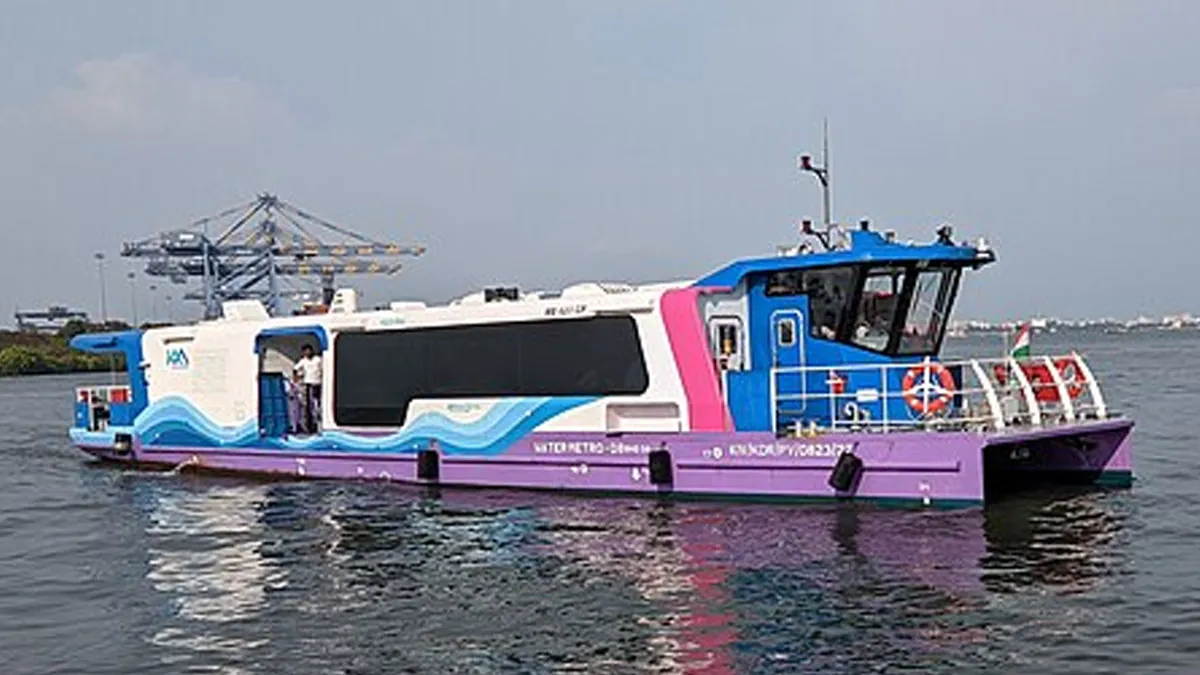
India’s first and one of Asia’s largest integrated ferry‑based public transport systems is the Kochi Water Metro in Kerala. That project connects ten islands around Kochi to the mainland through a network of modern boats and terminals. Inspired by this success, the West Bengal government now wants to replicate the Kochi model in Kolkata.
To examine how feasible such a project would be in the city, the state has already started preliminary discussions with a Kochi‑based organisation involved in the Water Metro project.
Mega Meeting at Kolkata Municipal Corporation Next Week
According to sources in Nabanna (the state secretariat) and the Kolkata Municipal Corporation (KMC), if everything goes as planned, an important high‑level meeting will be held at KMC next week on the Kolkata Water Metro Project.
Representatives of the Kochi Water Metro project are expected to attend this high‑profile meeting. They will present to the state government a detailed outline of how a similar service can be launched in Kolkata – including technical possibilities, operational models, and long‑term planning.
There will also be detailed discussions on:
- what kind of boats will be used,
- what the estimated project budget could be, and
- what the implementation roadmap and phases might look like.
What Will Kolkata’s Water Metro Look Like?
Municipal sources say that, following the Kochi model, there is a proposal to introduce state‑of‑the‑art vessels on the Ganges.
These boats will:
- be fully air‑conditioned,
- run on electric hybrid technology powered by batteries along with diesel generators,
- offer a modern, comfortable ride for daily commuters.
The company involved has given prior assurance that these advanced vessels will not harm the Ganges’ environment or its aquatic ecosystem in any way.
Compared to regular launches or ferries, these Water Metro boats will be much faster. As a result, passengers will be able to travel from one end of the city to the other in significantly less time than by road.
Relief From Traffic Jams and Pollution
According to sections of the administration, once this mega project is implemented, it will be possible to substantially reduce the number of vehicles on Kolkata’s roads. Daily commuters will be able to avoid severe traffic jams and instead travel quickly to their destinations while enjoying the scenic beauty of the Ganges.
Because of the hybrid propulsion technology, the project is also expected to play an important role in controlling air pollution in the city. Reduced dependence on conventional road transport and more use of cleaner, hybrid boats should help lower emissions over time.
A New Chapter in Kolkata’s Transport History
Kolkata was the first city in India to introduce a metro rail service. Even today, that metro – carrying lakhs (hundreds of thousands) of passengers every day – remains a symbol of the city’s pride.
Senior officials in Nabanna believe that, if the Water Metro is successfully launched on the Ganges while maintaining this legacy of innovation, it will open a completely new chapter in Kolkata’s public transport system. The combination of underground metro, under‑river metro, and Water Metro on the Ganges would make Kolkata one of the most unique and advanced urban transport hubs in the country.


