





Kolkata Braces for Thunderstorms Today, But the Real Worry Is the Heat to Come
West Bengal is stepping into that familiar, uneasy stretch of the year when the sky threatens storms but the ground still bakes. According to the latest WB weather update from the Alipore Meteorological Department, Kolkata and several districts in both South and North Bengal are staring at a cocktail of thunderstorms, heavy rain, and an approaching heat spike.
And while the short-term relief of rain might sound tempting, the forecast paints a more complicated – and frankly uncomfortable – picture.
Cloudy Skies over Kolkata: Thunderstorms in the Short Term
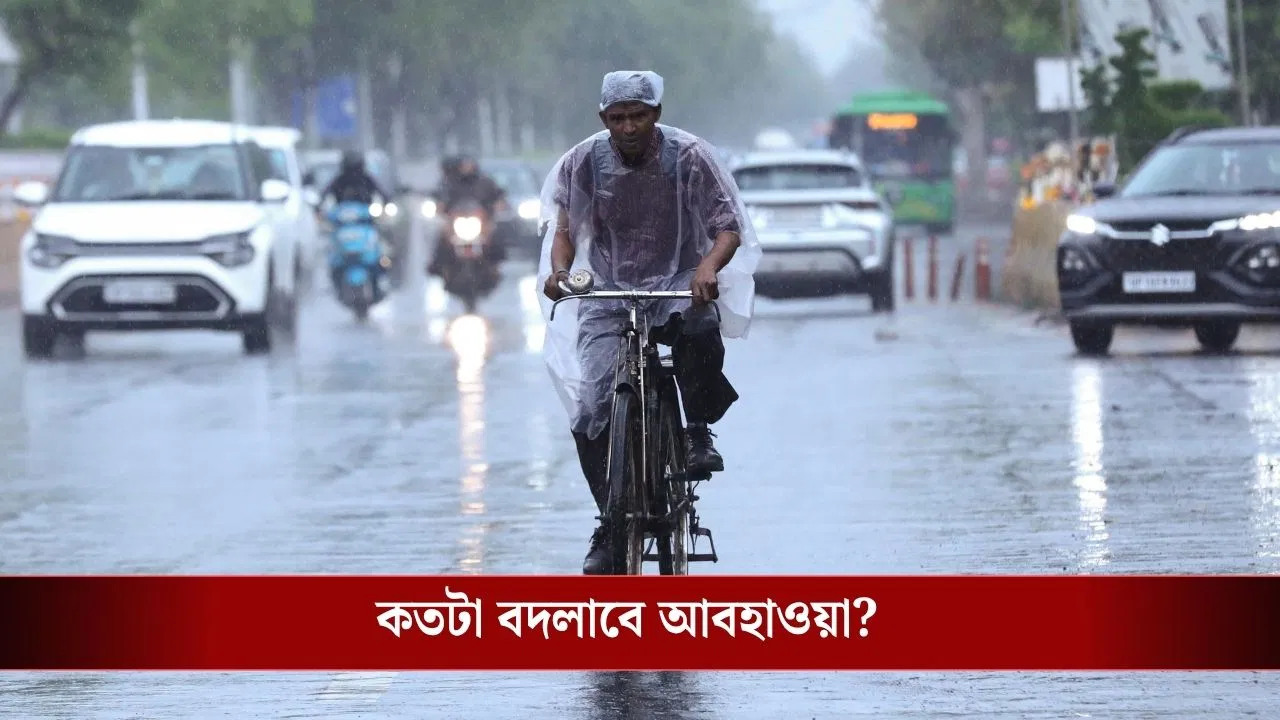
From Tuesday morning, Kolkata woke up under a cloudy sky, and the weather office expects conditions to turn more dramatic by late afternoon and evening.
As per the Alipore Met Office forecast:
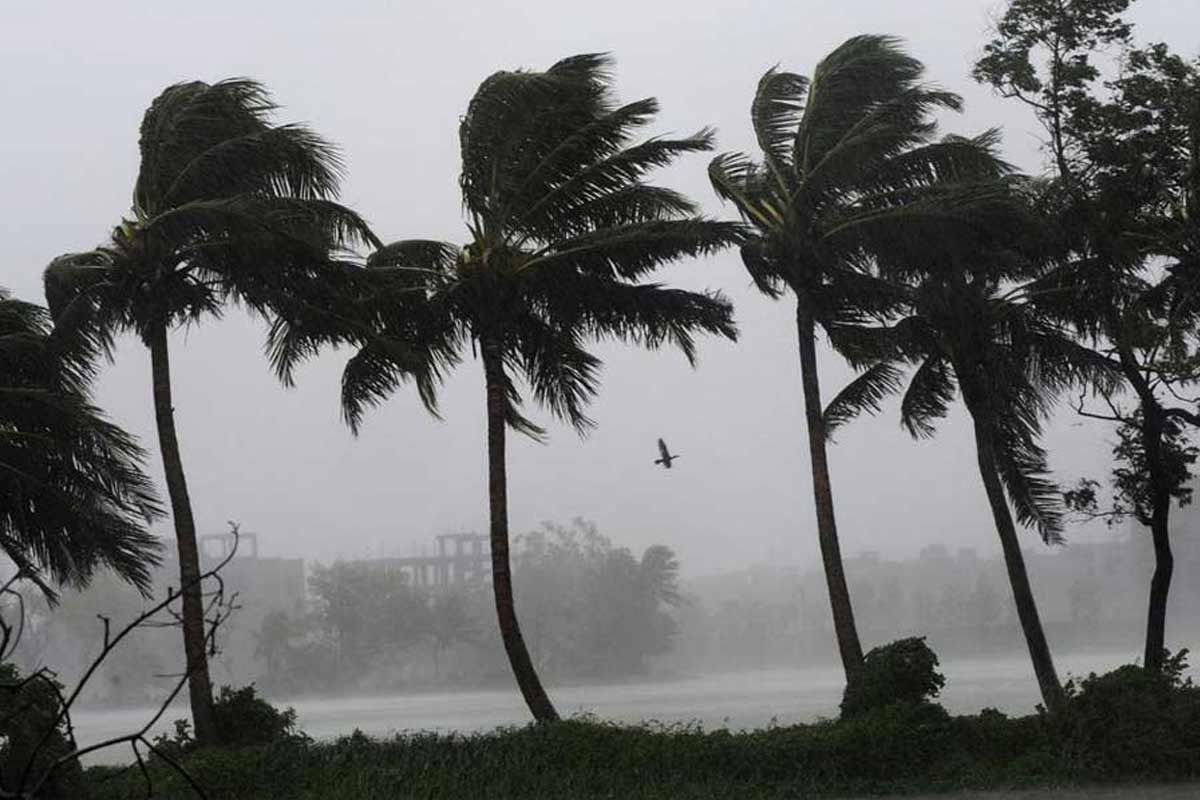
- Kolkata, Howrah, Hooghly, North and South 24 Parganas, East Burdwan, Nadia, and Bankura may witness thunderstorms with wind speeds of 50–60 kmph.
- The remaining South Bengal districts are likely to see light to moderate rain with thunder and lightning, accompanied by gusty winds of 40–50 kmph.
In other words, this is not just a pleasant pre-monsoon drizzle. This is proper Nor’wester-style weather – short, sharp, and often disruptive.
The Met Department also notes that by Wednesday, the intensity of thunderstorms over much of South Bengal is expected to decrease, although Howrah, North and South 24 Parganas, East and West Midnapore, and Jhargram still have a relatively higher chance of storms.
Rising Temperatures: A Slow March to 40°C
The catch in this entire story is temperature. Even with the rain, the day and night temperatures in South Bengal are set to rise over the next few days.
Some key numbers from the latest bulletin:
- In Kolkata, minimum temperature on Tuesday is around 23°C.
- On Monday, the maximum temperature in the city was 32.5°C.
- By Friday and Saturday, Kolkata’s temperature is forecast to climb to around 36–37°C.
- In the western districts of West Bengal, the maximum temperature could touch 40°C in the first week of April.
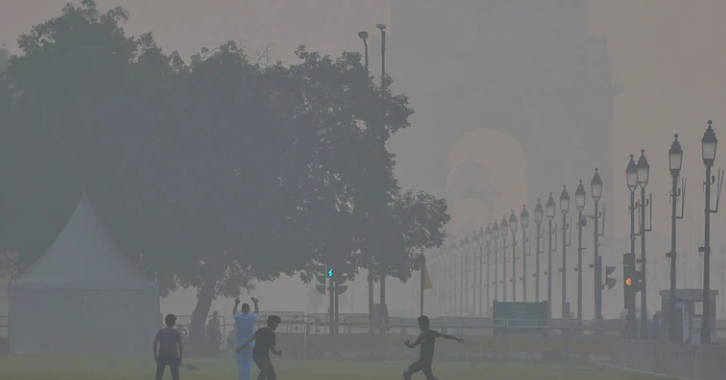
Now add to this the crucial factor: humidity. The relative humidity in Kolkata is hovering between 59% and 93%, with recent rainfall recorded at 4.4 mm. This combination of rising temperature and high moisture is a perfect recipe for sticky, suffocating discomfort.
So while the storms might briefly cool the air, the overall trend is clear: hotter days, muggy nights, and a growing sense of weather-induced fatigue.
Bengal’s New Normal – Storms, Sweat, and Uncertainty
It’s tempting to treat these forecasts as just another seasonal bulletin, but this pattern is starting to look like Bengal’s new normal:
- Short-lived relief from thunderstorms.
- Followed by sharp heat spikes.
- All wrapped in a blanket of heavy humidity.
For residents of Kolkata and the adjoining districts, this means the weather is no longer simply hot or rainy – it is erratic. One moment the city is battling dust storms and gusty winds, the next it is drenched, and within a day or two, the sun returns with a vengeance.
From an everyday perspective, this has real consequences:
- Health: Heat and humidity together strain the body more than a dry heat does. Dehydration, heat exhaustion, and discomfort become common, especially for the elderly, children, and those working outdoors.
- Infrastructure: Sudden thunderstorms with 50–60 kmph winds can disrupt traffic, damage trees, and expose the fragile side of our urban planning – from dangling wires to clogged drains.
- Lifestyle: Commuters in Kolkata and nearby districts have to juggle umbrellas, water bottles, and power-cut worries, often in a single day.
The bigger question is whether we are really preparing for this kind of intense, swing-style weather or merely reacting to it day by day. Each year we talk about “unusual” storms and “unexpected” heat, but at some point, we must admit: this is no longer unusual – it’s a pattern.
North Bengal: Heavy Rain, Hail, and Strong Winds
While South Bengal sweats through this heat-and-storm combination, North Bengal faces a different kind of intensity.
The forecast suggests:
- Heavy rainfall is likely in Darjeeling, Jalpaiguri, and Alipurduar districts.
- There is a possibility of hailstorms, especially in Darjeeling, Kalimpong, and Jalpaiguri.
- Thunderstorms with wind speeds of 50–60 kmph may affect these hill and foothill regions.
- Other districts including Darjeeling, Jalpaiguri, Alipurduar, Cooch Behar, and Malda may experience gusty winds up to 40–50 kmph.
- By Wednesday, rain may be confined mainly to Darjeeling, Kalimpong, Alipurduar, Cooch Behar, and Jalpaiguri, with 30–40 kmph winds.
- Thursday and Friday should see a decline in thunderstorm activity, with a slight rise in temperature in North Bengal as well.
In simple terms, North Bengal is in for a wet and windy spell, with the additional threat of hail – a serious concern for farmers and those living in more exposed, hilly terrain.
From an opinion standpoint, it’s hard not to see these shifts as a warning. When hail, heavy rain, and high winds become a part of regular forecasts, they stop being “events” and start becoming conditions. That has implications for agriculture, tourism, and daily living.
Weather Snippets: At a Glance
For readers who just want the essentials, here are a few quick weather snippets for West Bengal based on the latest update:
- Kolkata today: Cloudy sky, thunderstorms likely by evening; gusts of 50–60 kmph in some areas.
- South Bengal: Light to moderate rain with thunder in many districts; wind speeds 40–60 kmph depending on the area.
- Temperature trend: Rising. Kolkata heading towards 36–37°C by the weekend; western districts may touch 40°C in early April.
- Humidity: Very high, between 59% and 93%, making the weather feel warmer and more oppressive.
- North Bengal: Heavy rain in Darjeeling, Jalpaiguri, Alipurduar, with chances of hail and winds up to 50–60 kmph.
- Mid-week outlook: Storm risk reduces somewhat by Wednesday, but temperatures begin to creep up.
So, What Should Residents Do?
While we cannot control the weather, we can definitely prepare smarter. A few practical steps:
-
Plan your day around the storms
If you’re in Kolkata or the surrounding districts, avoid being outdoors during the late afternoon to evening, when thunderstorms are most likely. -
Hydrate before the heat peaks
With temperatures set to rise even after the rain, don’t wait for the heatwave to start drinking more water. Start now. -
Secure balconies and rooftops
Strong winds can easily topple plants, loose items, or lightweight structures. A small precaution can prevent bigger accidents. -
Watch local alerts
Follow official updates from the Alipore Meteorological Department and local authorities, especially if you live in storm-prone or low-lying areas. -
Farmers and hill residents
In North Bengal, keep an eye on hailstorm warnings. Protect crops and livestock as far as possible and avoid unnecessary travel during peak thunderstorm hours.
Final Thoughts: Between Storm and Sun
This WB weather update is more than a passing headline. It reflects a deeper reality: West Bengal is navigating a narrow path between extremes – violent, short-lived storms and increasingly oppressive heat.
As residents, we might not be able to change the forecast, but we can at least change our response to it. By taking these alerts seriously, adjusting our routines slightly, and demanding better urban planning and climate resilience, we can turn this cycle of surprise into one of preparedness.
For now, Kolkata and much of Bengal stand under a sky that can’t quite decide what it wants to be – stormy or scorching. The forecast suggests we should get ready for both.