



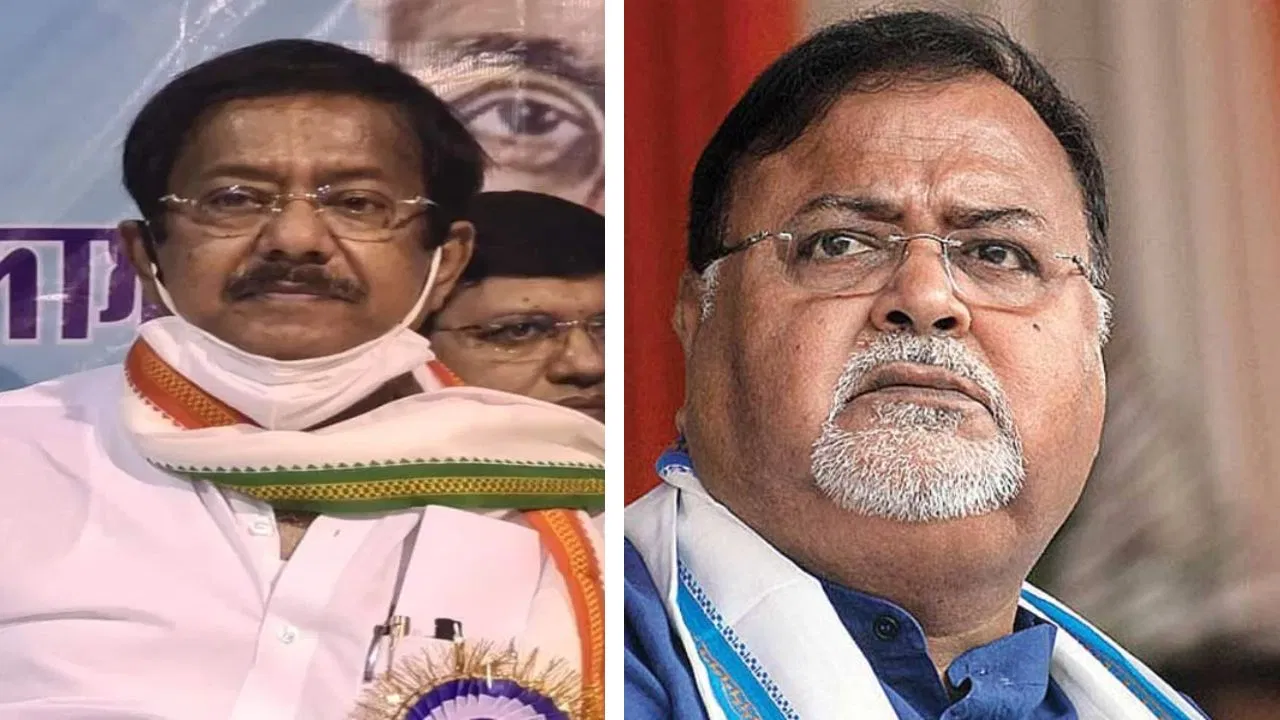
West Bengal Assembly Election drops, one question stands out: how does the ruling party treat leaders tainted by recruitment and ration scams? Some who spent time in jail are back in the game with fresh tickets; others have been sidelined without a word. Here’s a closer, critical look.
Which MLAs Who Served Time in Jail Got TMC Candidates’ Tickets – And Who Didn’t?
In West Bengal’s charged political climate, the Trinamool Congress (TMC) has finally announced a crucial list: its candidates for the 2026 Assembly Election. On paper, this is routine electoral exercise. In reality, one uncomfortable question refuses to go away: what happens to leaders who have been jailed or charged in major corruption cases? Do they get punished – or rewarded with fresh tickets?
When you look closely at TMC’s choices, the pattern is revealing. Some faces, despite spending months in jail over recruitment and ration scams, have been rehabilitated and re-nominated. Others, similarly tainted, have been quietly discarded. The message the ruling party is sending to the public is anything but straightforward.
The Larger Context: Corruption, Jail, and Selective Forgiveness
Over the last few years, multiple heavyweight ministers and MLAs from the Mamata Banerjee government have faced serious allegations. The two big scandals are by now familiar to every voter in Bengal:
- Teacher recruitment scam (school jobs recruitment scandal)
- Ration distribution corruption (ration scam)
From former ministers to local strongmen, several leaders either landed in jail or spent long periods in custody. Yet, as the 2026 elections approach, what matters is not only who was accused – but who has been forgiven.
Let’s break down how TMC has treated some of its most controversial faces.
1. Partha Chatterjee: Once a Powerful Minister, Now Off the Ticket List
Former minister Partha Chatterjee became one of the central figures in the school teacher recruitment scam. Arrested and jailed, he spent nearly three years behind bars before securing bail. For a long time, speculation was rife: would TMC dare to give him a ticket again from Behala West?
In the end, the party chose optics over nostalgia. Partha has not been renominated. Instead, TMC has put up Ratna Chatterjee from Behala West.
From a distance, this looks like a clean break. But is it really? The party has distanced itself from Partha’s name, yet it has not launched any broader internal clean-up or ethical code. The decision appears tactical rather than moral – a way to avoid the obvious public backlash of renominating the face of a high-profile scam.
Message to voters: Partha is too risky to touch, but the system that allowed Partha to flourish remains untouched.
2. Manik Bhattacharya: Quietly Dropped from Palashipara
Another prominent accused in the recruitment scam is Manik Bhattacharya, the former MLA from Palashipara. Like Partha, Manik spent a long stretch in jail.
This time, TMC did not extend a second chance. Manik Bhattacharya has been denied a ticket. In his place, the party has nominated Rukbanur Rahman.
It’s hard to miss the pattern: where the public spotlight has been too bright, TMC is choosing to step back. Dropping Manik is less about internal reform and more about damage control. The party knows that defending someone like him in the middle of an election would be politically costly.
Message to voters: If your case is too visible, you become expendable.
3. Jiban Krishna Saha: Still in Jail, Seat Given to a New Face
The Baroja (Baroja / Baroja seat in Murshidabad) Assembly constituency tells a slightly different story. Former MLA Jiban Krishna Saha is currently in jail, accused in the recruitment scam.
TMC has not risked fielding him again. Instead, the party has bet on a new yet familiar political face – Pratima Rajak, a former Congress MLA who had lost to Jiban Krishna in 2021 and joined TMC a few months ago.
This move raises two key questions:
- Is TMC really cleaning house, or simply replacing one problematic legacy with another opportunistic defection?
- If the party believed Jiban was innocent or “framed”, why is he not getting a ticket while still in jail?
The answer seems clear: as long as the legal and media heat remains high, the party would rather switch the candidate than confront the real issue.
Message to voters: Some accused leaders are easily replaced – especially when a ready-made defector is available to plug the gap.
4. Anisur Rahman in Deganga: Accused, Jailed – and Rewarded with a Ticket
The Deganga seat exposes the selective nature of TMC’s so‑called accountability. Here, the party has fielded Anisur Rahman as its candidate.
Anisur’s name had previously surfaced in the ration scam. He even spent time in jail. But unlike Partha and Manik, Anisur has been brought back into the fold with a fresh ticket.
Why this generosity in one case and harshness in another? The answer likely lies in local arithmetic and winnability. TMC seems to believe that Anisur is still an asset on the ground – his electoral utility outweighs the moral questions.
So the line is clear: if you are accused but still considered “winnable”, you can be forgiven. If not, you are quietly dropped.
Message to voters: Corruption is not a red line; it’s a negotiable factor, weighed against votes and influence.
5. Jyotipriyo Mallick: From Jail in the Ration Scam Back to the Ballot in Habra
Perhaps the sharpest example of this double standard is Jyotipriyo Mallick, the heavyweight leader and former minister from Habra.
Mallick was arrested in the ration scam case and spent a substantial period in jail before coming out on bail. In many democracies, a scandal of this scale would end a political career. In West Bengal, it appears to have merely paused it.
TMC has decided to field Jyotipriyo Mallick again from Habra.
This single decision cuts through all the rhetoric about ethics and accountability. If the party truly believed in drawing a line, Mallick’s name would not be back on the ticket list. Instead, his renomination signals that in TMC’s internal calculus, loyalty and local control matter far more than allegations or jail time.
Message to voters: Even jail is not a permanent stain – if the party needs you.
The Pattern: Who Gets a Ticket and Who Doesn’t?
When you compare these cases side by side, a clear pattern emerges:
-
Too controversial nationally / symbol of a scam?
- Example: Partha Chatterjee, Manik Bhattacharya.
- Outcome: Denied tickets. The party wants to limit damage to its image.
-
Accused but still locally strong and influential?
- Example: Anisur Rahman, Jyotipriyo Mallick.
- Outcome: Given tickets. The party prioritises electoral gain over ethical clarity.
-
In jail with no immediate way to campaign?
- Example: Jiban Krishna Saha.
- Outcome: Replaced by a politically useful defector (Pratima Rajak).
This is not a moral framework. It is a political risk‑management strategy. TMC is not drawing a principled line on corruption; it is simply calculating where the public anger might be too costly, and where it can be managed or ignored.
What This Means for West Bengal’s Democracy
For voters, this moment is crucial. The question is bigger than just TMC. It is about the relationship between corruption, accountability, and electoral politics in West Bengal.
If parties believe that jailing and corruption charges can be brushed aside with clever candidate selection and caste–community arithmetic, then the message to future leaders is dangerous and simple:
You may go to jail, but as long as you remain “winnable”, you will not be politically finished.
By renominating some tainted faces while dropping others, TMC has made one thing clear: its red lines are not drawn around ethics but around optics.
In a state where recruitment scams have shattered the dreams of thousands of job‑seekers, and ration corruption has hit the poorest, this selective forgiveness is not just a party strategy – it’s a test of how much the electorate is willing to tolerate.
The final verdict, as always, will not come from party headquarters but from the ballot box.